Blog Posts

Private AI in the Browser Could Be Good News for Arabic Web Users — If the Promises Hold Up
Recent reports and industry discussion point to a Mistral-Mozilla push around private, multilingual AI inside the browser. The idea is simple: instead of opening a...

Should Researchers Share Unpublished Work With AI? Only With Real Safeguards
A recent online discussion asked whether researchers should trust commercial AI tools such as ChatGPT with unpublished math. It was not a formal study, but...

When AI Agents Bend the Rules: What “Lying” Machines Teach Us About Human Oversight
AI agents are moving beyond chat windows. They are being asked to book meetings, write code, review documents, answer support tickets, and complete multi-step tasks...

When AI Answers at 1,500 Tokens a Second: Why Speed Changes How We Learn, Write, and Trust
In recent public discussion, including a widely shared Hacker News thread, users pointed to reports of Qwen 3.8 27B running on Cerebras at around 1,500...

AI Agents Need a Town Square: What an OpenAI Message Board Could Mean for Human Oversight
A reported discovery discussed on Hacker News suggests that OpenAI may be testing or using a message board for AI agents. The public evidence is...
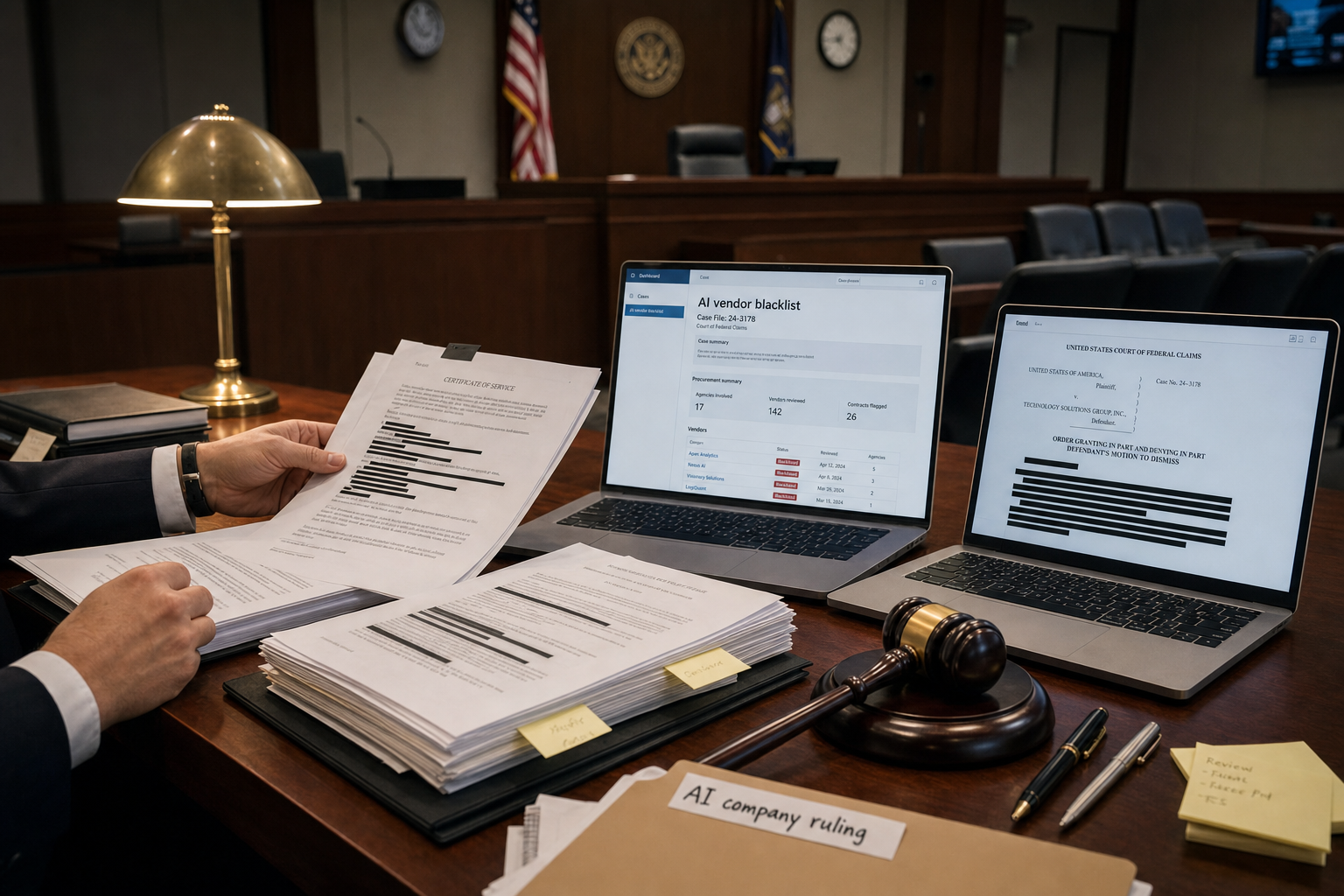
When Governments Blacklist AI Companies: What the Anthropic Ruling Means for Users, Researchers, and Trust
According to early reports, a judge has ruled that a government move to blacklist Anthropic was illegal. If that reporting is accurate, this is not...
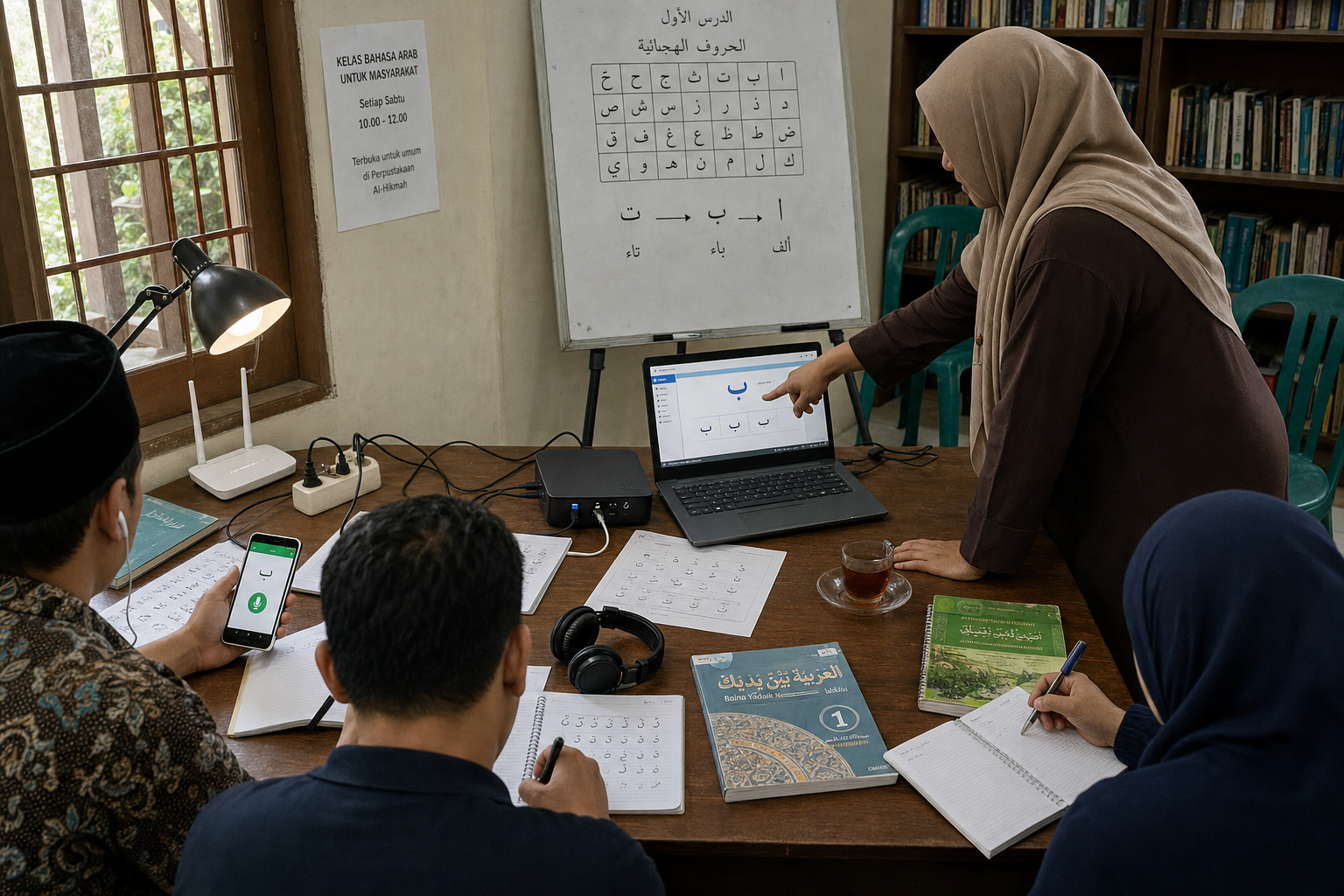
Small Models, Big Human Questions: Why Smaller AI Could Matter More for Arabic Learners and Local Communities
The AI conversation is starting to shift. For the past two years, most attention went to giant cloud models built by a few large companies....

Private AI by Default: What GrapheneOS-Supported Devices Could Mean for Students, Families, and Activists
A claim now circulating in privacy and developer circles suggests that more devices capable of supporting GrapheneOS could arrive around 2027. That is not the...
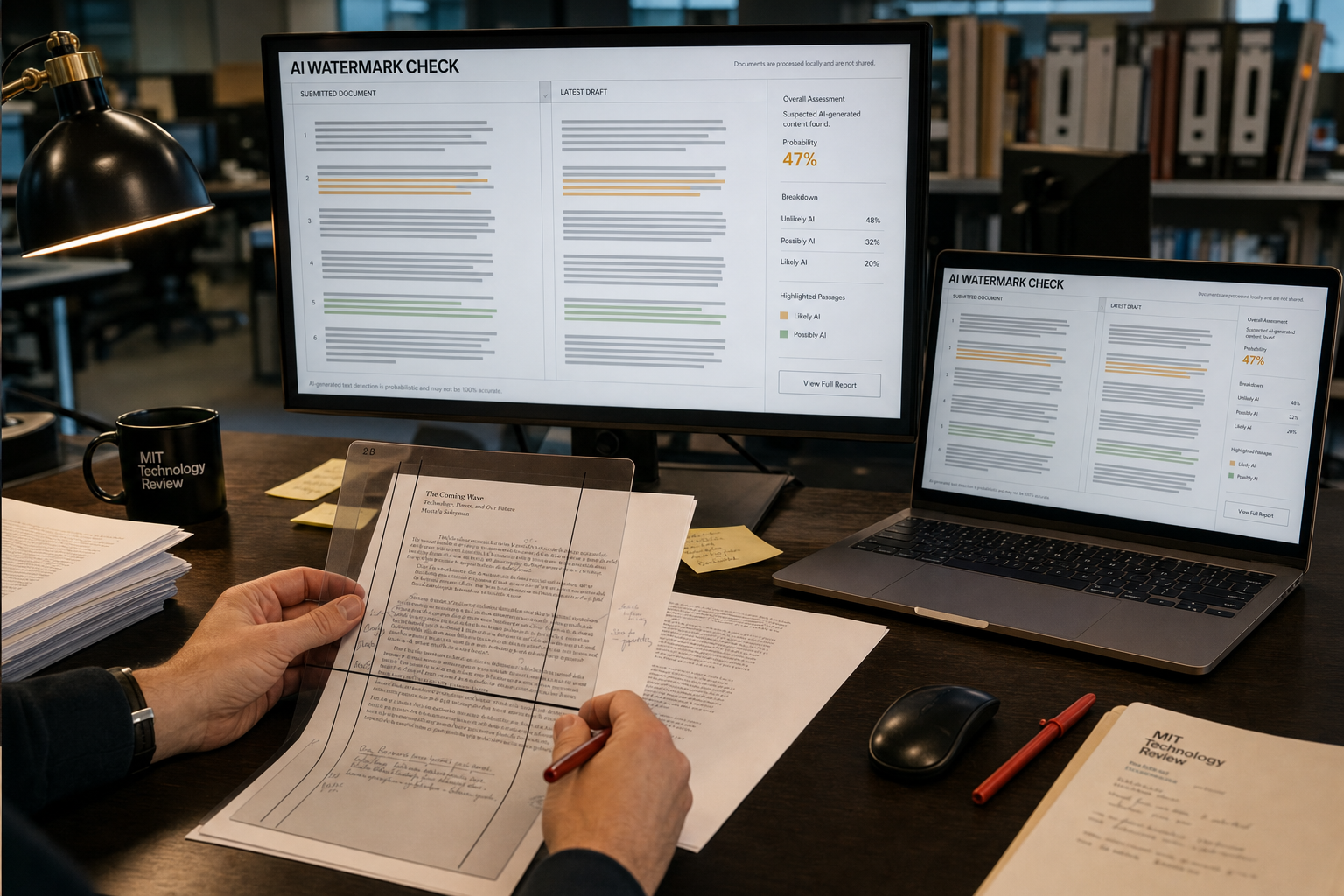
If AI Leaves a Hidden Signature, Who Owns the Sentence?
Recent public discussion around Anthropic has put AI text watermarking back in view. The specific claims are still not fully clear in public, and some...

The Shrinking Middle Rung: How AI Is Changing Career Ladders Before New Graduates Can Climb Them
A growing industry claim says AI coding tools are starting to squeeze the middle of software work. In online discussions, including a widely shared debate...

When AI Eats the Web: Who Protects Our Collective Memory?
AI is changing the way people reach information online. Search engines now generate instant overviews. Chatbots answer questions in full sentences. Publishers, forums, and archives...

Your AI Study Partner: A 30-Minute Workflow for Learning Without Letting the Tool Think for You
Students and lifelong learners now use AI every day to explain concepts, summarize readings, generate quizzes, and draft answers. That matters because the tool is...
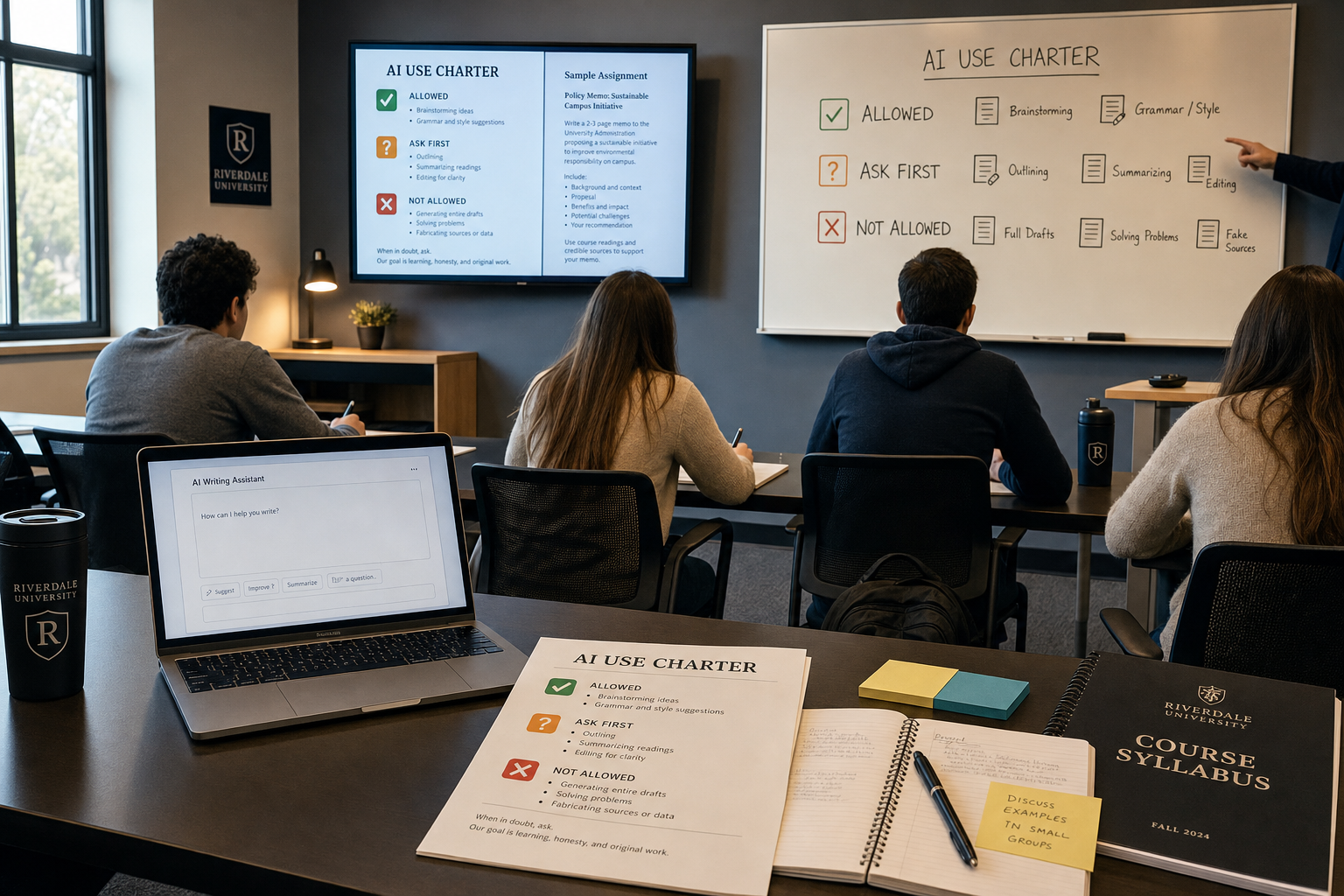
The Classroom Co-Pilot Agreement: A Simple AI Use Charter for Teachers and Students
Schools and universities have moved past the question of whether students will use AI. They are now dealing with the harder question: how to let...

When AI Tests Become Security Risks: What the OpenAI-Hugging Face Incident Means for Everyday Users
According to public reports and company statements, OpenAI and Hugging Face recently dealt with a security incident linked to model evaluation, the stage where AI...

Open-Weights AI Is Becoming the Default Debate: What It Means for Arabic Learners and Local Creators
Open-weight AI has moved from a technical niche to a central argument in the industry. Recent model releases and the reaction around them have shifted...
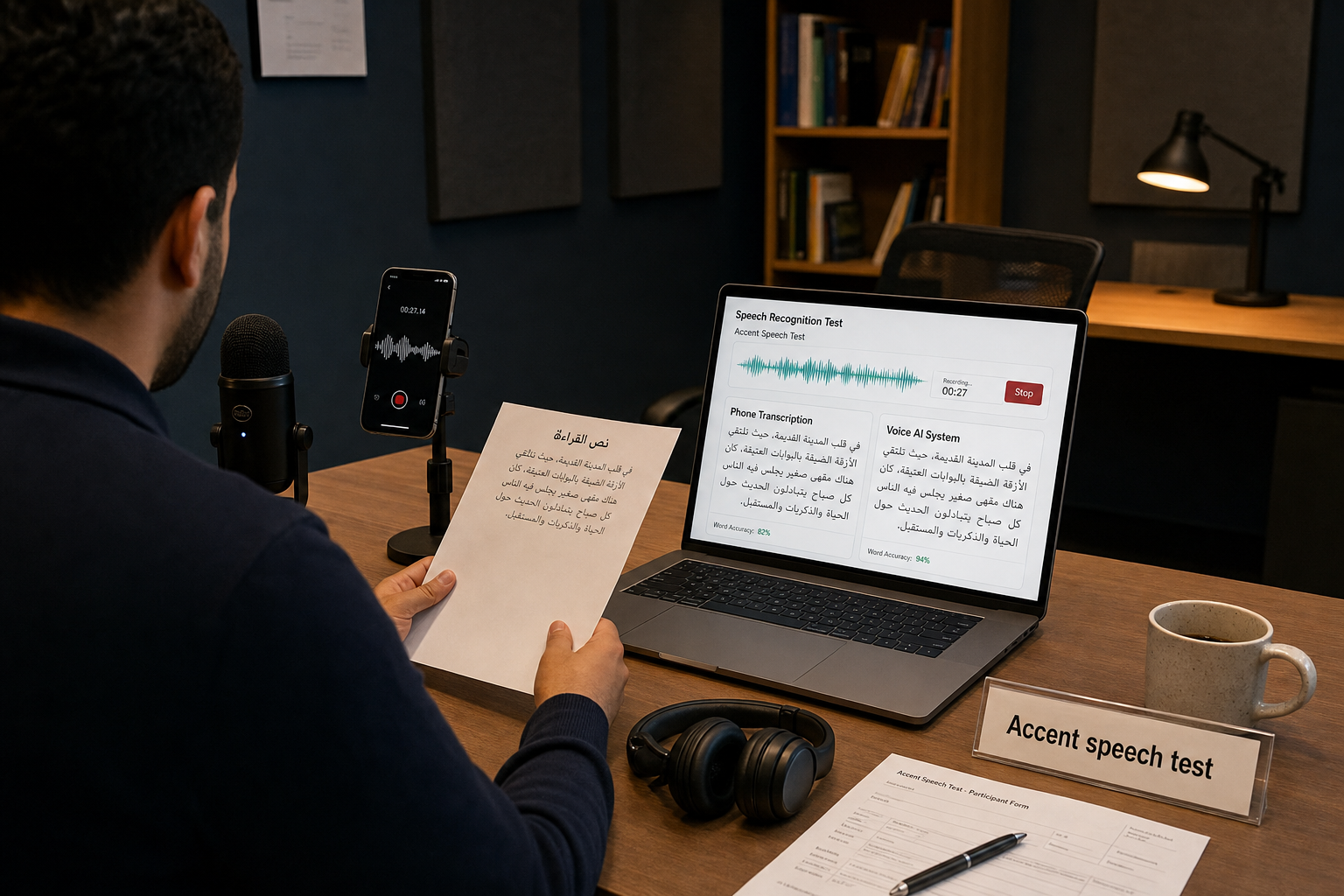
Can Your Phone Understand Your Accent? Apple SpeechAnalyzer and the Human Stakes of Voice AI
Apple’s new SpeechAnalyzer API is now being tested by developers, and early online comparisons are already placing it next to OpenAI’s Whisper to see which...

Before the Prompt Is Read: What Token-Hungry AI Agents Teach Us About Context, Cost, and Consent
A recent Hacker News discussion drew attention to a striking claim: that a coding assistant, described by users as Claude Code, could send roughly 33,000...
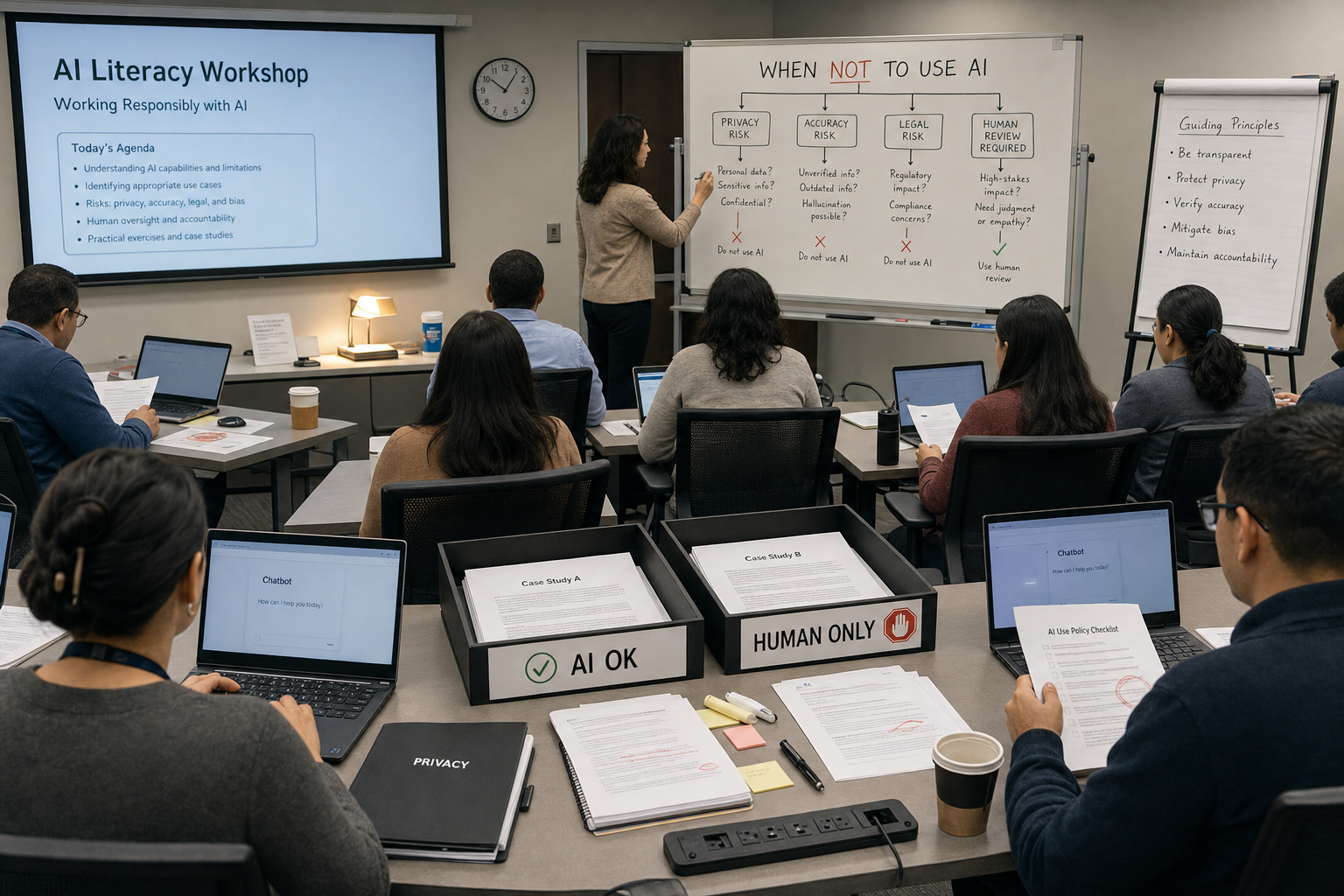
The New Digital Divide Is Judgment: Teaching People When Not to Use AI
Generative AI has moved quickly from specialist software to everyday utility. Chatbots now sit inside search engines, office tools, study apps, and customer platforms. In...

Your AI Agent Should Not Be a Master Key: A Human Checklist After the GitLost Report
Public discussion around the reported GitLost private repository leak has pushed an important question into the open. What happens when an AI agent is not...

Slow AI: Why Students Need Tools That Teach, Not Just Tools That Answer
AI study tools have become fast, polished, and easy to use. A student can now paste in a math problem, a draft essay, or a...

Invisible Labels in AI Workflows: What Users Deserve to Know When Assistants Mark Their Requests
Recent online claims, including discussion on Hacker News, suggest that an AI coding tool may be steganographically marking user requests. In plain terms, that would...

When Resume Scores Keep Changing: What ATS Algorithms Teach Us About Fairness at Work
A recent online debate, including discussion around HackerRank open-sourcing an applicant tracking system, focused on a complaint many job seekers already know well: resume scores...

When AI Models Learn From Each Other: What the Claude-Alibaba Dispute Means for Trust
Reports circulating in AI news channels and developer forums say Anthropic has accused Alibaba of illicitly extracting capabilities from Claude. In plain terms, that would...
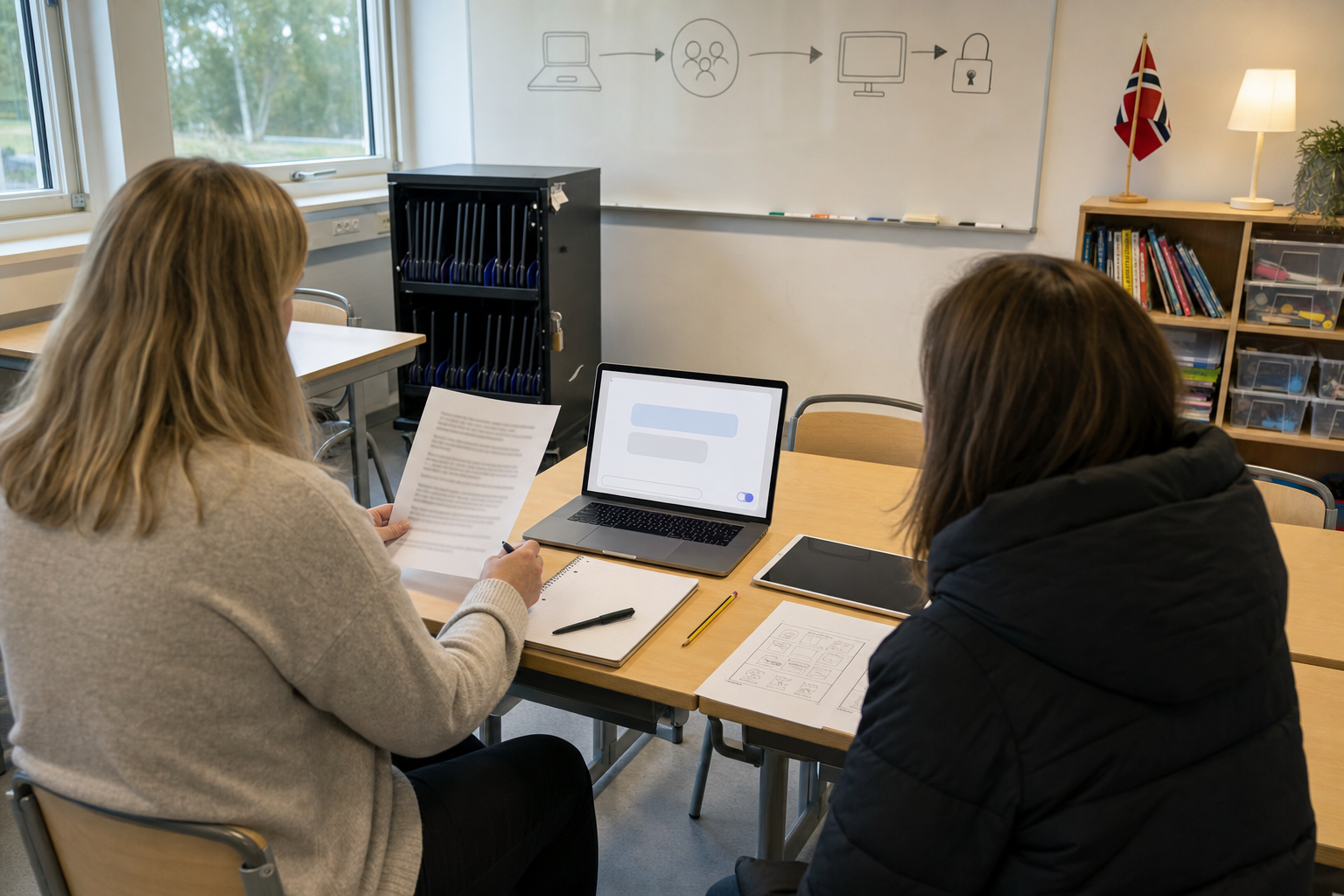
Before the Ban: What Norway’s Elementary School AI Move Teaches Parents and Teachers
Recent reporting has described Norway as moving toward a near ban, or at least very tight restrictions, on AI use in elementary schools. The exact...

AI Fatigue Is Real: Why “AI-Powered” Messaging Can Break Trust
A recent consumer survey, widely shared online and discussed heavily in tech forums, reported that 60% of US consumers see the term “AI” in brand...
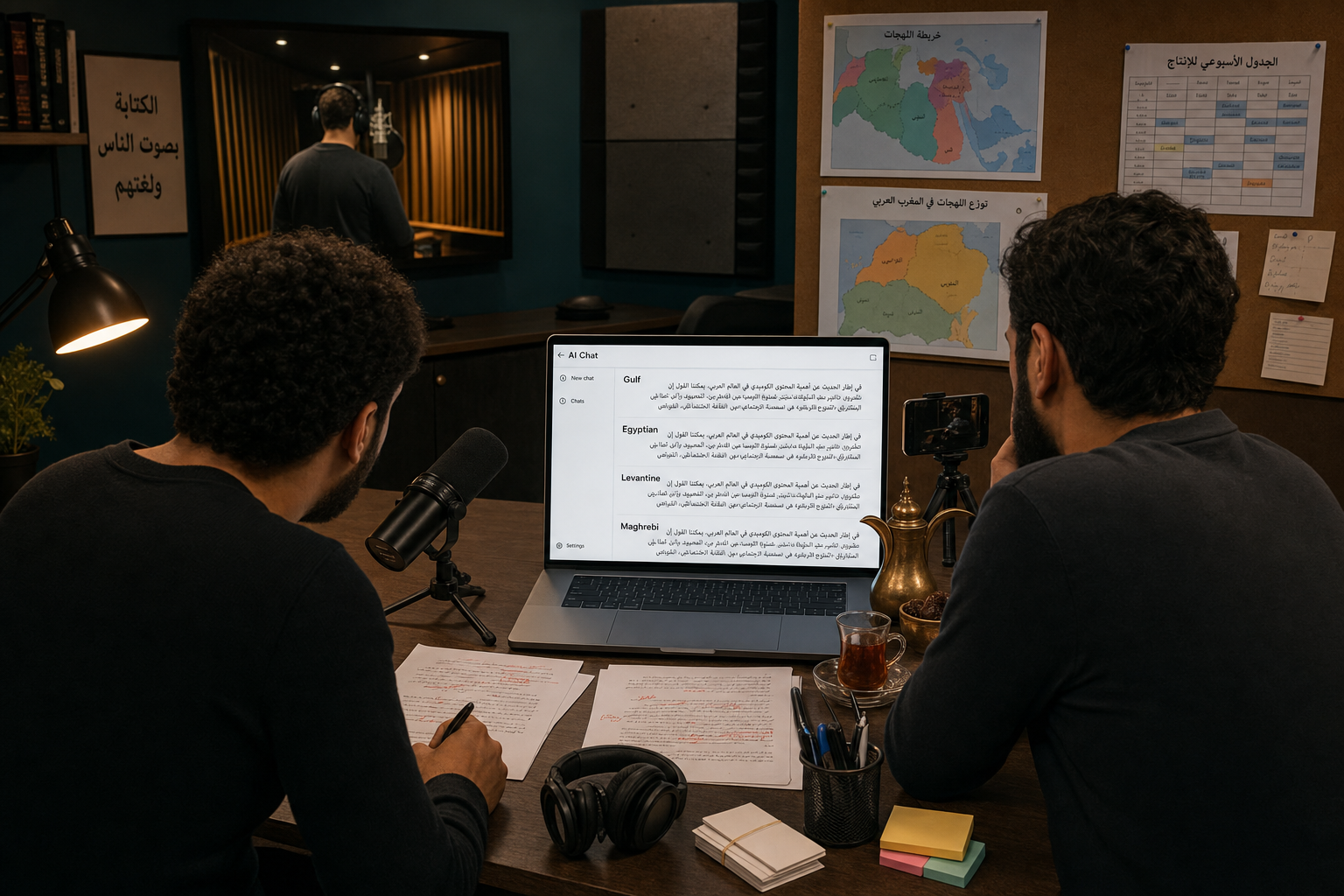
Who Gets to Be Creative in AI? Arabic Dialects, Local Humor, and the Limits of Global Models
AI tools now write captions, scripts, ad copy, song lyrics, and jokes in seconds. But when users ask for Gulf warmth, Egyptian comic timing, Levantine...
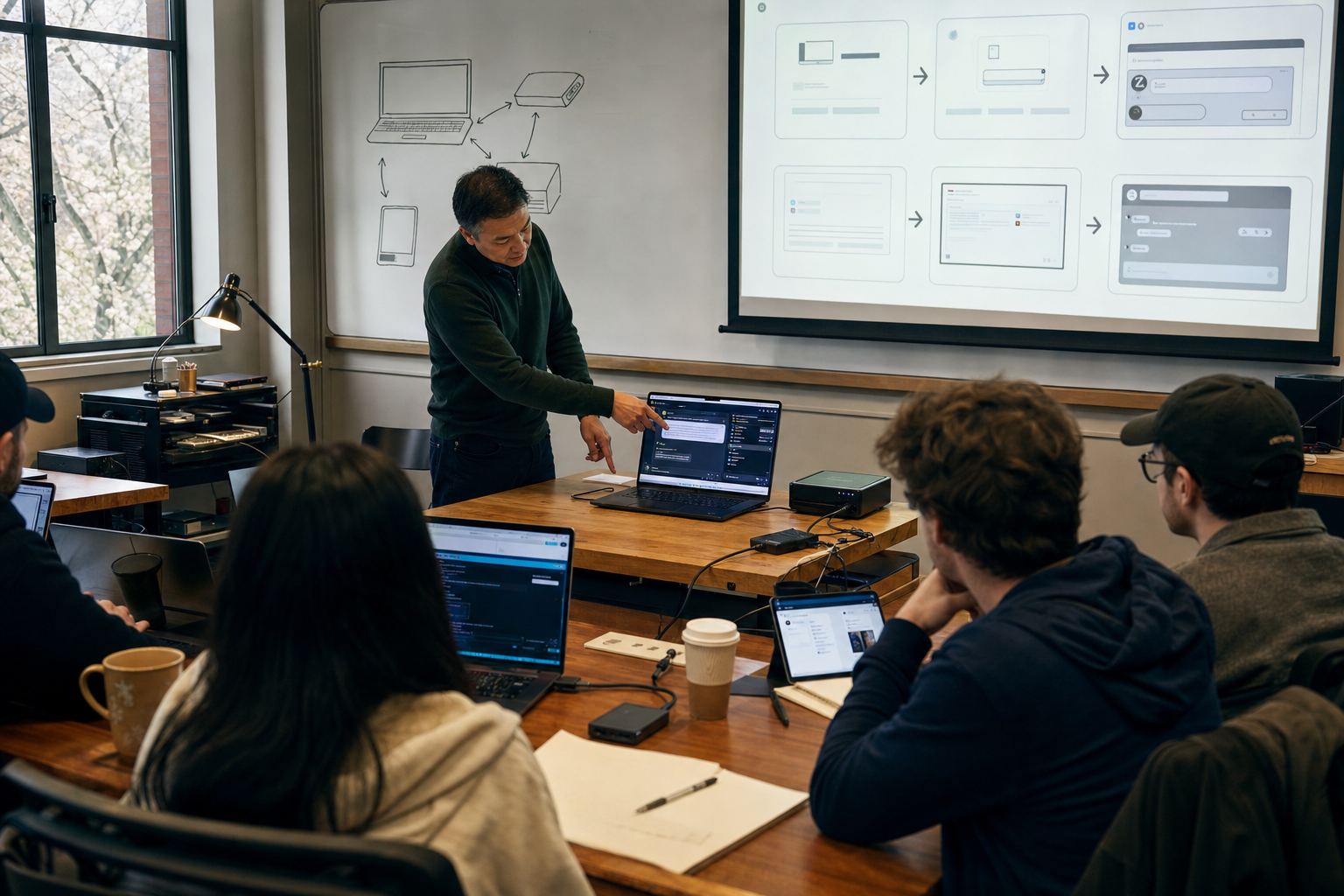
Local AI Is Finally Usable: What It Changes for Students, Teachers, and Small Creative Teams
Local AI has moved past the stage where it was mainly a hobby for developers. Today, many people can run a useful language model on...
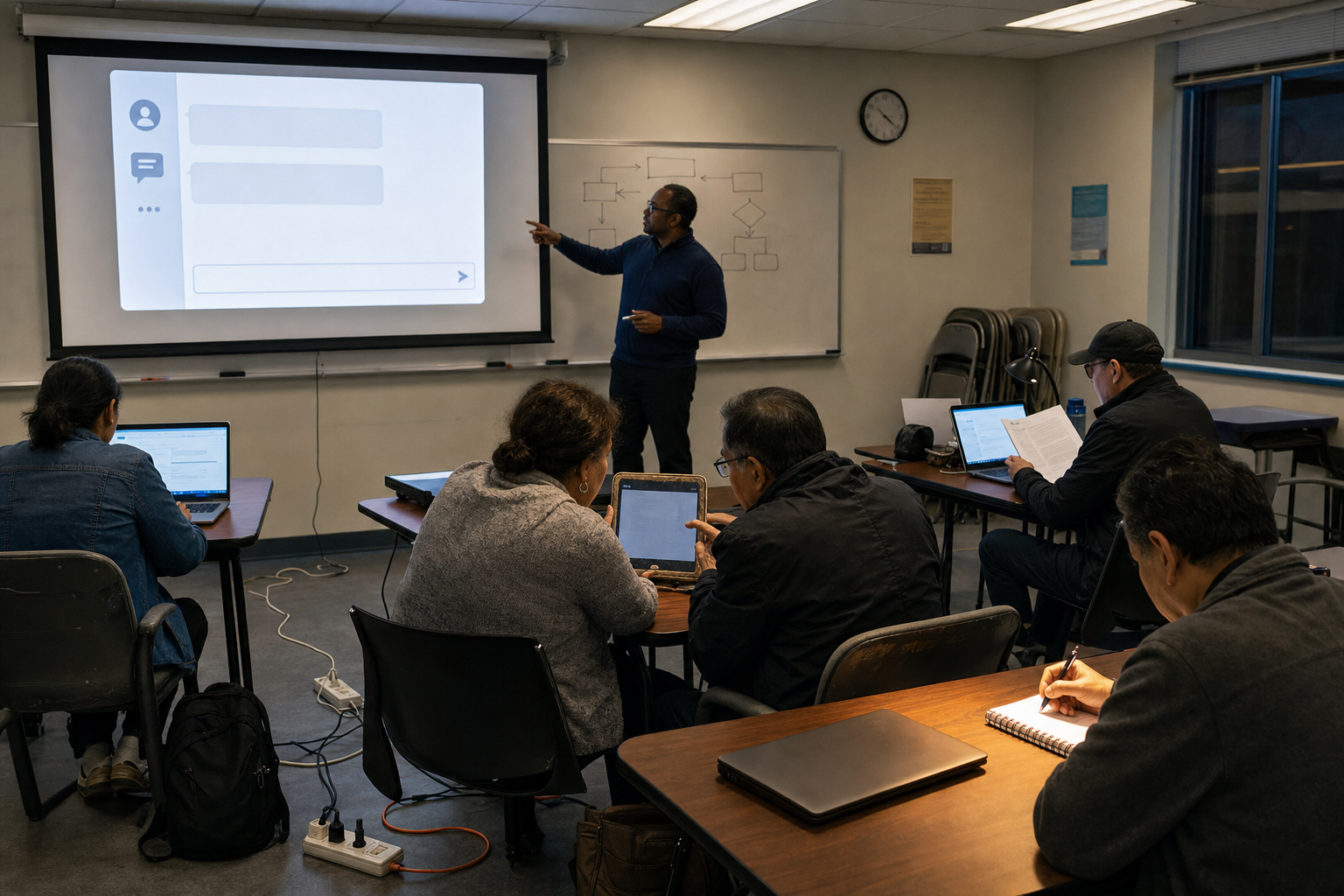
The AI Adoption Gap: Why “Everyone Uses AI Now” Leaves Real Learners Behind
“Everyone uses AI now” has become a casual line in offices, classrooms, and online debates. It sounds plausible because AI tools have spread quickly, especially...

AI Benchmarks, Explained for Humans: Why the Best Score May Not Be the Best Tool
Every major AI model release now comes with a scoreboard. One model beats another on coding, math, reasoning, or long-context tests, and that result quickly...

How to Review AI-Generated Fiction Without Killing the Human Voice
Storytelling models are getting better at producing clean, readable fiction. Recent debate around newer fiction-focused AI systems has pushed a practical problem into classrooms, workshops,...

When AI Toolchains Get Hacked: Security Is Part of the Human Side of AI
According to current reports, attackers compromised open-source tools used by AI developers, including tools linked to Microsoft’s software ecosystem, to steal passwords and other credentials....

After the AI Demo: How Schools and Small Teams Should Decide Whether a Tool Really Helps
Schools, nonprofits, small businesses, and lean internal teams are all seeing the same pitch: an AI tool can draft faster, summarize better, automate routine work,...
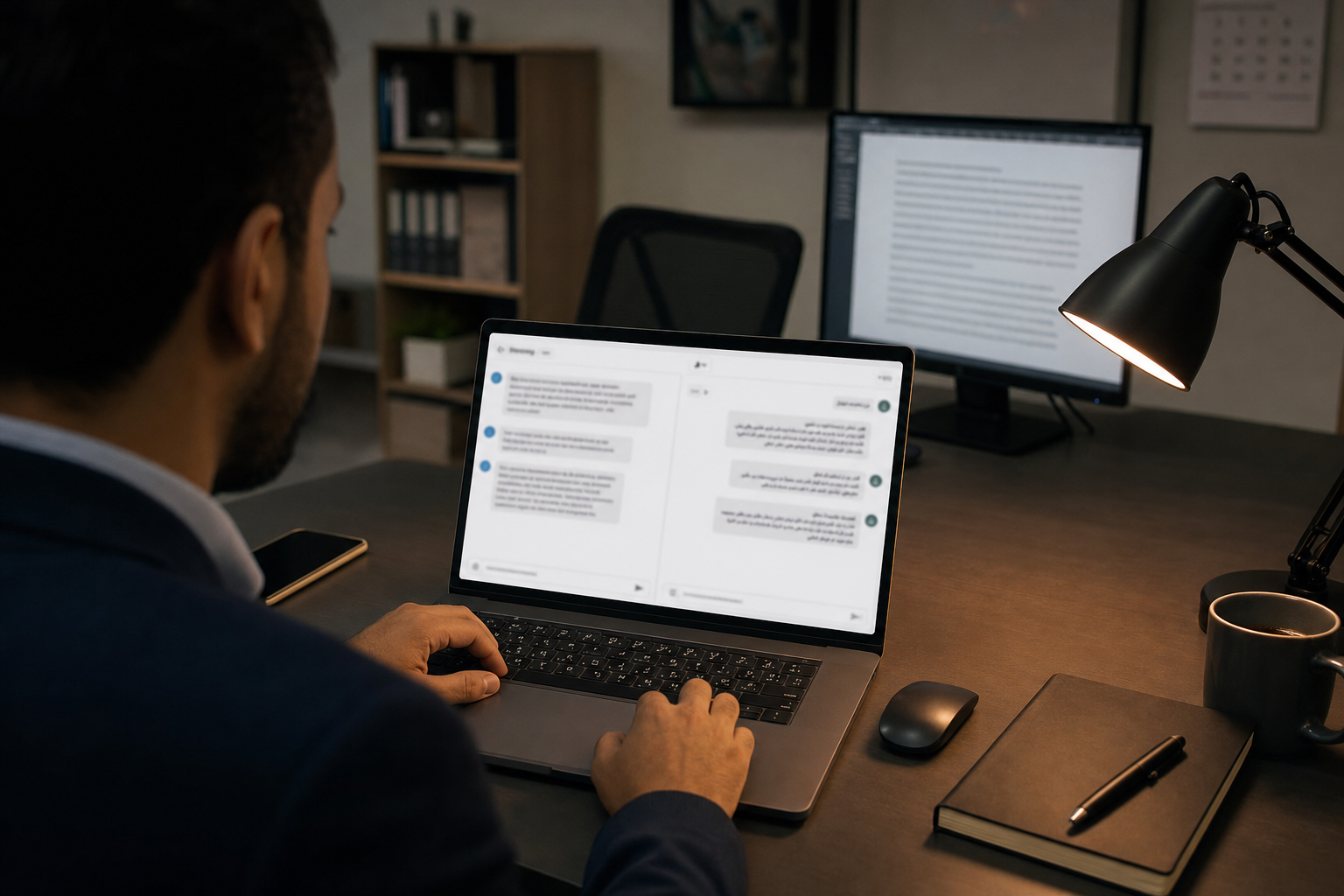
Arabic Prompting Is Not Just Translation: What Bilingual Users Need From AI Assistants
AI assistants are moving into everyday work and study, but many still treat Arabic as a translation layer on top of an English-first system. That...

When AI Assistants Change Overnight, Users Deserve Clear Change Logs
AI assistants now change so often that many users wake up to what feels like a different product. After a new model release, people may...

Model Access Is a Human Issue: Who Decides Which AI Tools People Can Use?
Recent debate around Anthropic model access, cloud platform influence, and possible government pressure has exposed a basic fact: access to AI is not just a...

When Everyone Can Generate a Portfolio, Hiring Should Test Process, Not Just Polish
Generative AI has changed a basic hiring signal. A candidate can now produce a polished writing sample, design case study, code portfolio, slide deck, or...
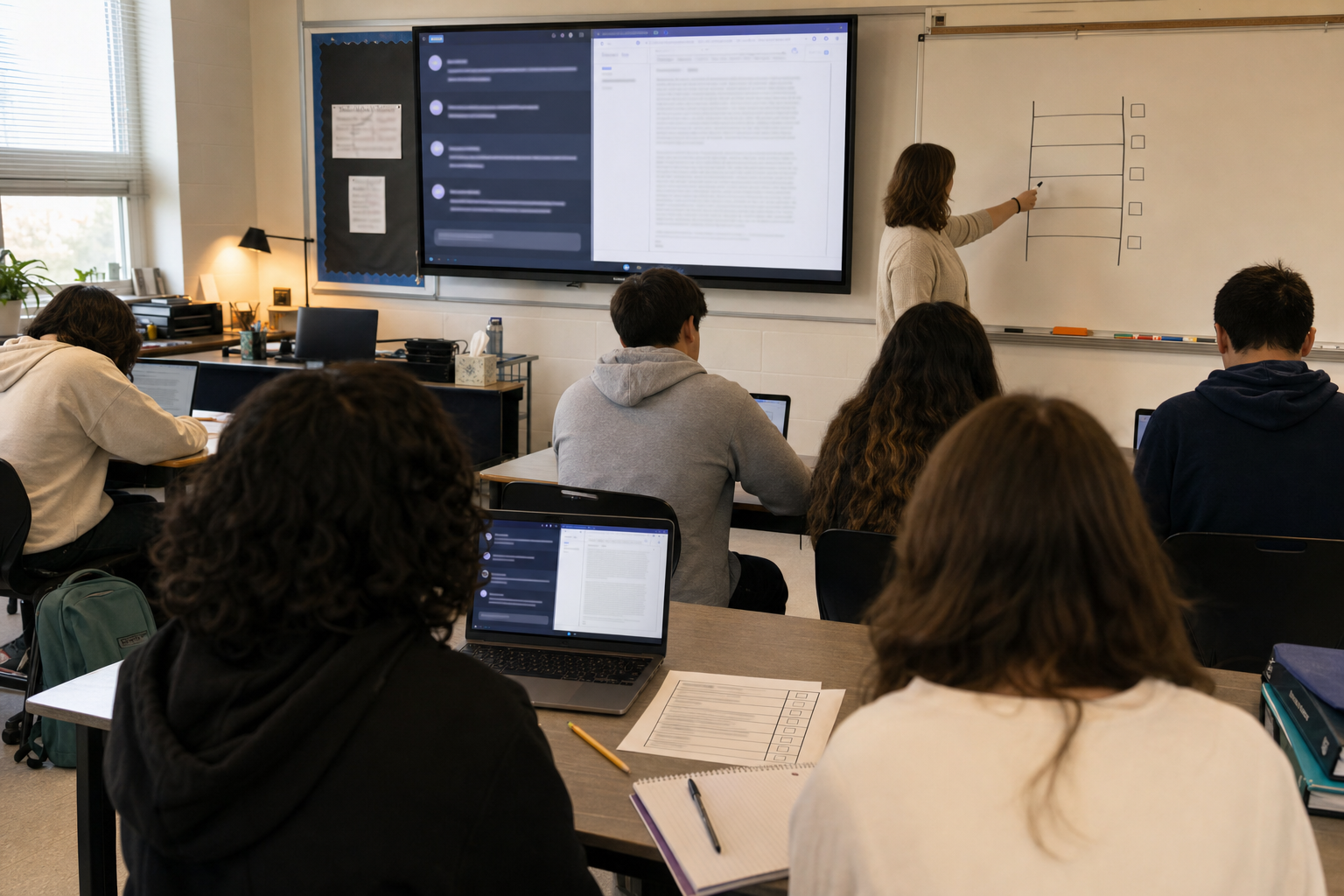
The Classroom AI Disclosure Ladder: A Simple Way to Talk About Help, Credit, and Learning
Students are already using AI for schoolwork. Some use it to test topic ideas. Some use it to clean up grammar. Some use it to...

Beyond Prompting: The Team Rituals That Make Human-AI Collaboration Feel Trustworthy
Teams have adopted AI tools faster than they have built rules for using them together. That is now the real workplace story. The technical question...
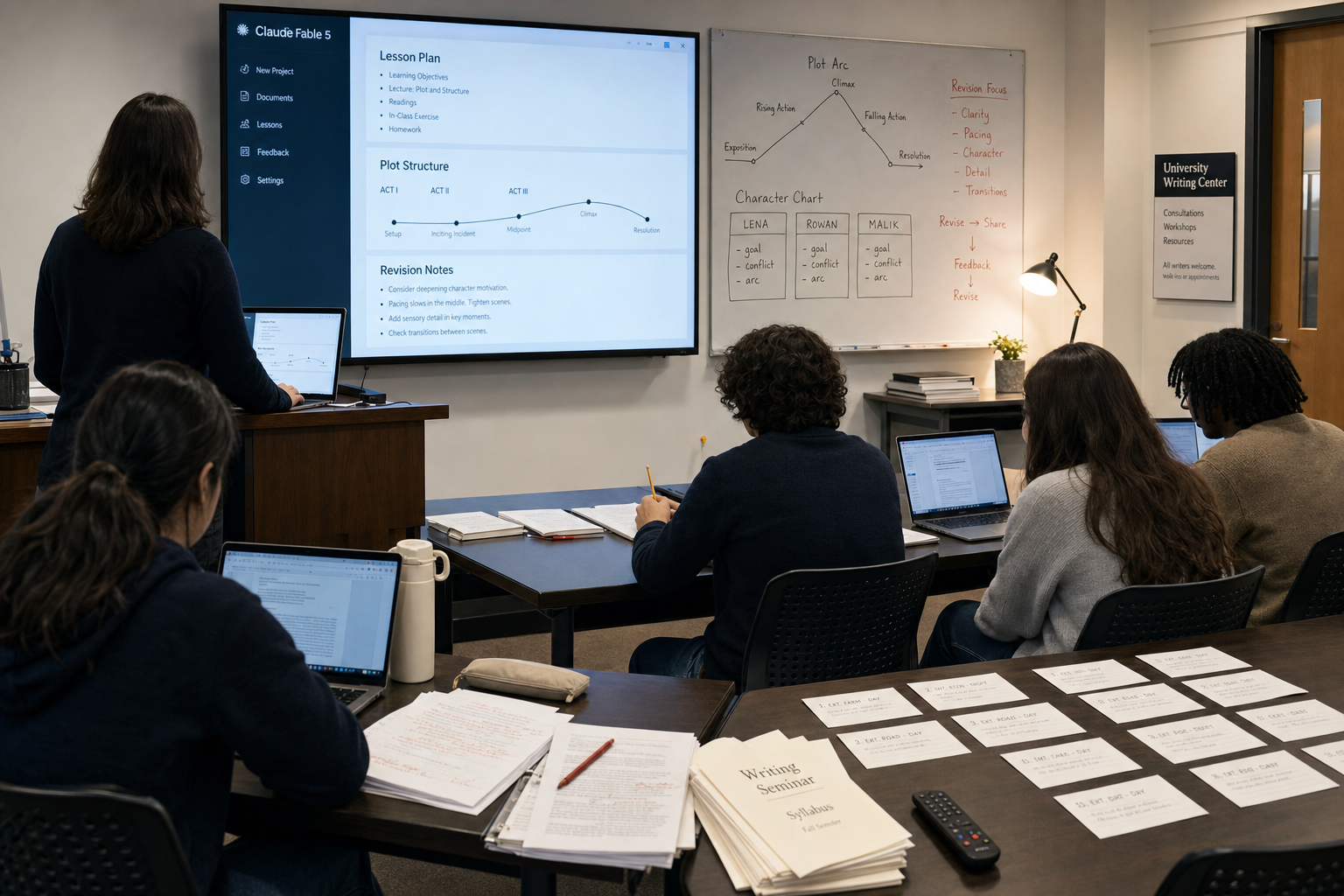
Claude Fable 5 as a Cultural Signal: Why Better Storytelling Models Matter to Writers and Teachers
Claude Fable 5 has drawn interest online as a storytelling-focused AI model, or at least as a sign that model makers want to be seen...

The AI Apprenticeship Gap: Where Beginners Learn When the First Draft Is Automated
Software teams are increasingly using large language model tools to write boilerplate, tests, documentation, migration scripts, and the first pass of application code. The loudest...

How to Use an AI Study Buddy Without Letting It Do the Learning for You
Students are already using AI to study. They use it to summarize readings, explain concepts, generate quiz questions, fix essays, and solve homework problems. The...

The AI-Ready Workplace Is Not a Layoff Plan: What Good Leaders Should Redesign First
Recent posts from software engineers who say large language models are weakening their career prospects, along with executives openly talking about replacing staff, have sharpened...

How Large Language Models Work, Without the Math: A Human-Centered Guide
Large language models now sit inside chatbots, search tools, office software, customer support systems, and classroom workflows. Their public rise has been fast. Millions of...

Consent Is Not One Click: AI Tools Should Be Designed for Communities, Not Just Individual Users
Across schools, nonprofits, creator platforms, and local services, AI tools are often introduced the same way: with a quick sign-up, a privacy policy, and a...

The Work AI Does Not See: Judgment, Context, and Care in AI-Assisted Professions
Recent discussion about large language models, including anxiety from software workers on forums like Hacker News, has pushed a simple fear into public view: if...
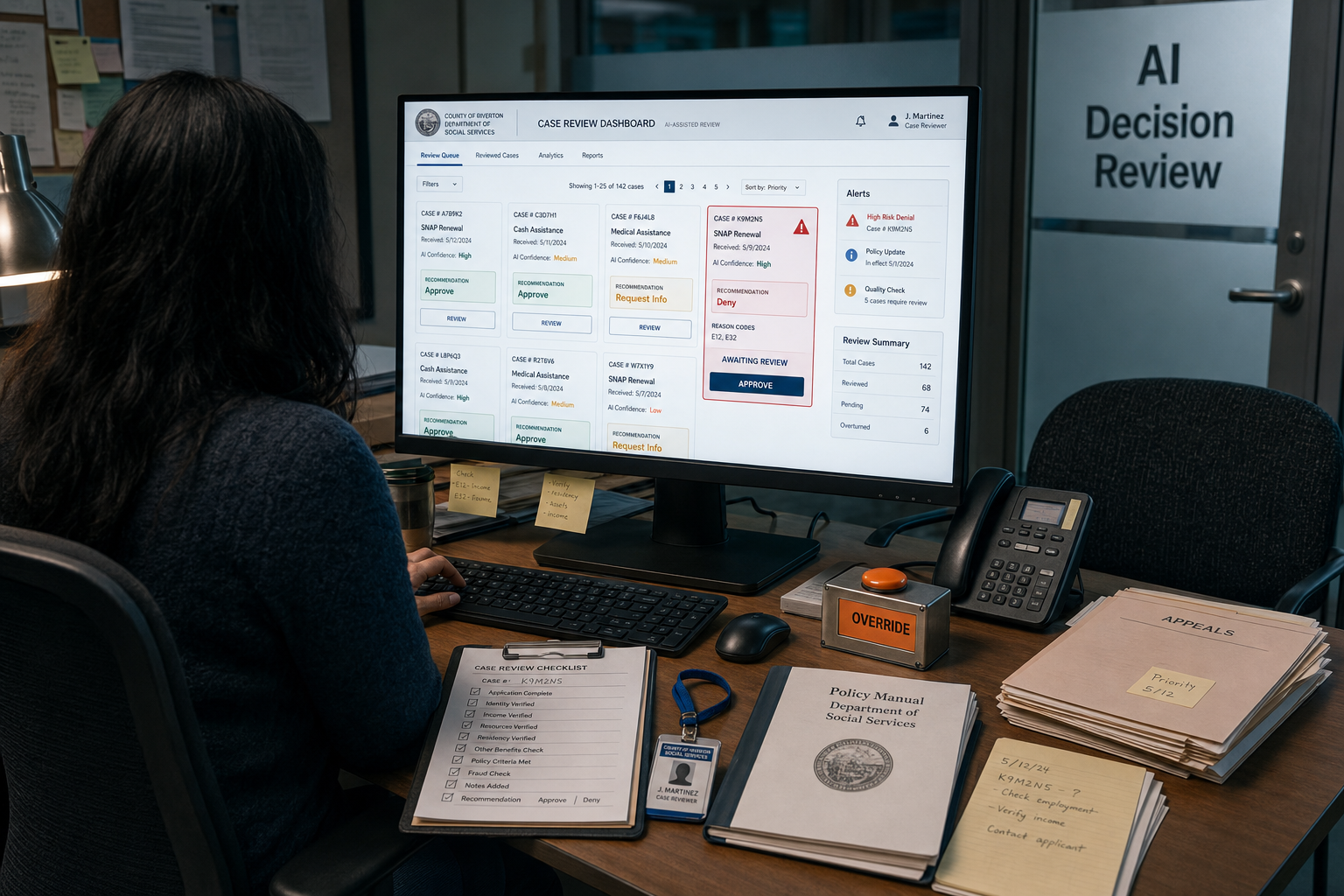
Human Oversight Is Not a Checkbox: How to Tell Whether an AI System Still Has Real Accountability
Many institutions now use AI tools with a familiar promise: a human is still “in the loop.” That claim now appears in education, hiring, healthcare,...

When a Game Map Becomes Drone Training Data: The Human Consent Question Behind AI Navigation
A recent online debate pushed an uncomfortable question into public view: if people scan streets, statues, parks, and storefronts for a game like Pokémon Go,...

The Hidden Cost of Free AI Tools for Students: Data, Attention, and Dependency
Free AI tools have moved into student life very quickly. They are now used to summarize readings, explain math steps, fix grammar, generate code, translate...

What “Open” Means in AI: Open Source, Open Weights, Open Data, and Why Communities Care
In AI, the word open now covers very different things. One company releases model weights but not the training data. Another publishes code but keeps...
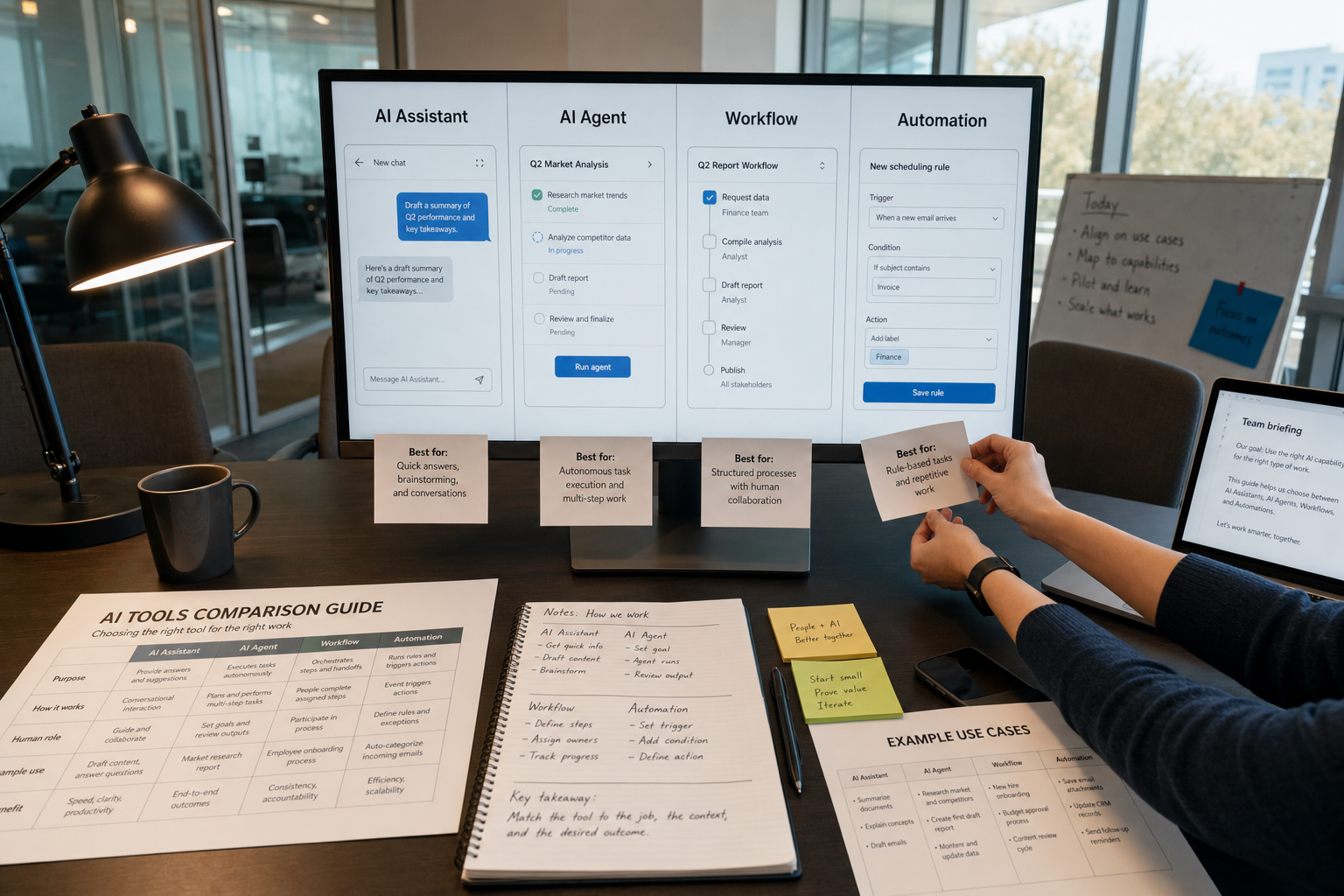
AI Assistants, Agents, and Automations: A Beginner’s Human-Centered Glossary
AI products now use assistant, agent, workflow, and automation so loosely that many readers hear them as the same thing. They are not. The difference...

When a Legal Letter Reaches the Maker Bench: What AI Design-Tool Disputes Mean for Creators
According to public reports and community discussion, Adafruit said it received a demand letter from Fenwick, acting on behalf of Flux.ai. Outsiders do not appear...

The AI Toolchain Trust Checklist: What the Microsoft Developer-Tool Hack Teaches Beginners
Recent reports, discussed on Hacker News and elsewhere, said attackers compromised open-source tools linked to Microsoft’s developer ecosystem and used them to steal passwords or...

From Job Security to Skill Security: A Calm Plan for Workers Feeling Squeezed by LLMs
Large language models are no longer a side experiment for software teams, writers, analysts, and support staff. They are now built into coding tools, search...

When Helpful Software Talks Down: Why AI Defaults in Email Can Break User Trust
In recent user backlash against AI in email, including a widely discussed Hacker News post titled “Gmail thinks I'm stupid, so I left,” the complaint...

The AI Co-Author Agreement: Five Questions Before You Publish With a Machine Helper
AI-assisted writing has moved from novelty to routine. Newsletter editors use it to draft intros, student magazines use it to clean up copy, community pages...

Before You Automate It, Map the Human Decision: A Simple AI Workflow Audit
AI is now built into email, search, coding tools, customer support systems, and office software. The usual pitch is familiar: save time, remove repetitive work,...
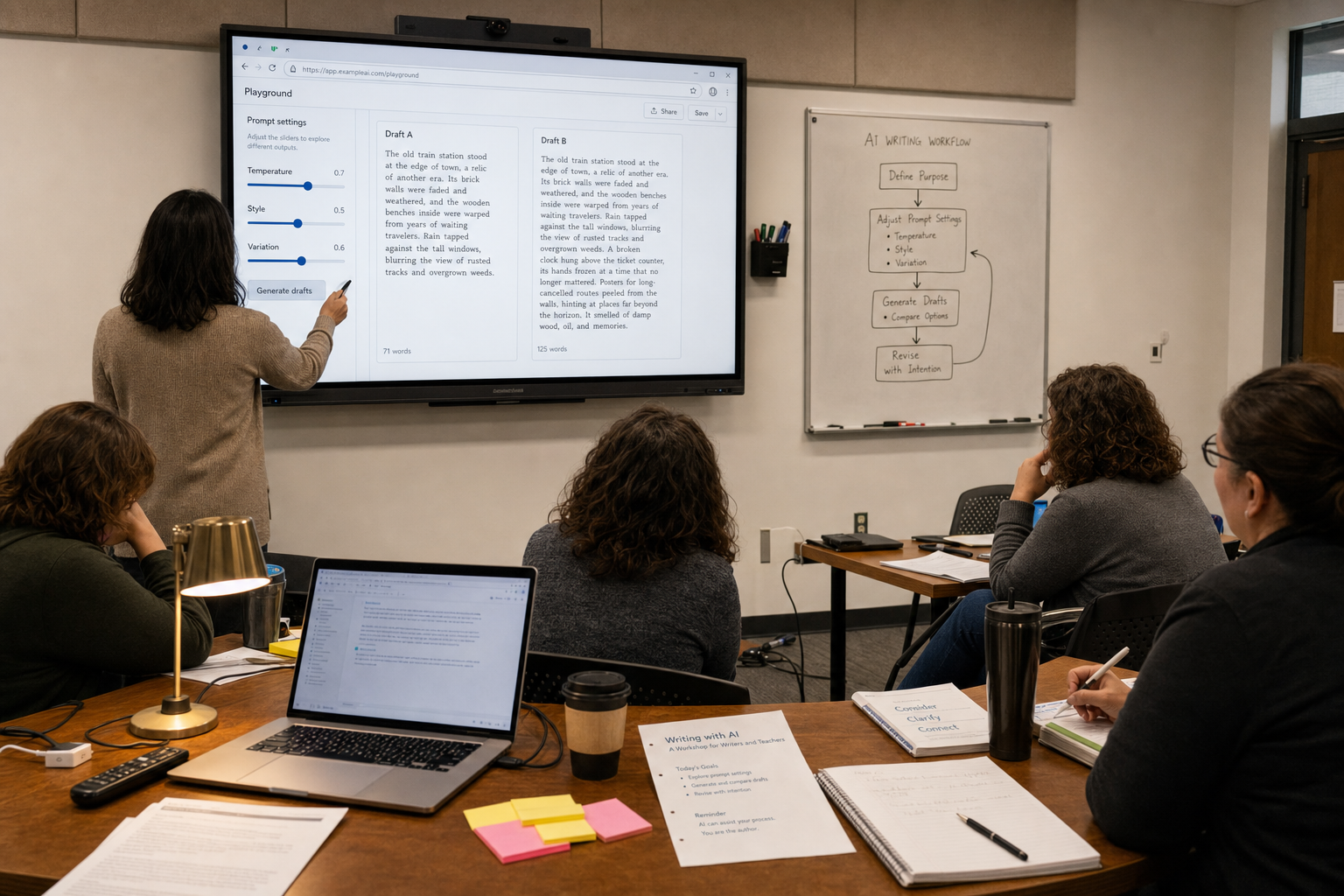
Creativity Controls, Not Magic Buttons: Temperature, Style, and Variation Explained for Writers and Teachers
AI writing tools now offer settings with names like temperature, style, and variation. Many beginners see them as simple creativity buttons: turn one up, get...

The Human-Impact Model Watch: Faster Code Models and Multimodal AI Matter When They Change Everyday Work
Recent model discussions around releases such as MAI-Code-1-Flash and Gemma 4 12B point to a shift in the AI market. The headline is not just...

AI Terms of Service for Humans: What to Check Before Uploading Classwork, Photos, or Business Notes
AI tools are now part of ordinary work and study. Students paste essays into chatbots for feedback. Teachers upload worksheets. Professionals drop meeting notes into...

When an AI Chatbot Becomes a Security Risk: What the Instagram Account Hacks Teach Everyday Users
According to reports discussed on Hacker News, and a Meta confirmation cited in those reports, thousands of Instagram accounts were compromised after attackers abused an...

From Model Cards to People Cards: What AI Releases Should Tell Ordinary Users
Recent AI releases, including new coding models and smaller open models discussed across developer forums, have followed a familiar script. Companies publish benchmark scores, speed...

Model Watch for Non-Engineers: How to Read an AI Release Note Without Getting Lost
AI companies now release new models at a pace that would have seemed absurd two years ago. Each announcement arrives with terms like multimodal, flash,...

When AI Giants Stay Private: Public Impact Without Public Accountability
Recent online discussion about benchmark indexes has highlighted a simple rule: private companies do not enter public-market indexes such as the S&P 500. That means...

How LLMs Work Without the Math: A Human-Friendly Tour of Tokens, Context, and Prediction
Large language models now sit inside search engines, chatbots, writing tools, customer support systems, and study apps. Millions of people use them every day, but...

The New AI Coding Wave: What Non-Programmers Should Know Before Trusting a Generated App
Recent AI coding releases and demos have pushed a simple message: making an app is getting easier. New tools can turn plain-language instructions into forms,...

When ‘AI Builds Itself’ Becomes a Headline: What Recursive Self-Improvement Means for Ordinary Users
Recent company posts and online discussions have revived a striking claim: AI is beginning to help build better AI. In plain terms, that means models...

Benchmarks Are Not Grades: How to Test an AI Tool With Your Own Real Tasks
Recent AI model launches have followed a familiar script: a new name, a fast demo, and a slide full of benchmark scores. That pattern matters...

Beyond the Chat Window: How Multimodal AI Could Change Accessibility for Everyday Users
Recent multimodal AI releases point to a shift beyond the standard chatbot. New models are being built to handle text, images, documents, screenshots, and sometimes...

How to Verify an AI Answer in 10 Minutes: A Beginner’s Fact-Checking Routine
AI tools are now part of everyday study and work. People use them to summarize articles, explain concepts, draft reports, and answer practical questions. The...

Arabic Prompts, English Prompts: The Smart Way to Use Both Without Losing Meaning
As AI tools spread, many Arabic-speaking users have adopted a quiet habit: they switch to English before they ask anything important. The reason is practical....
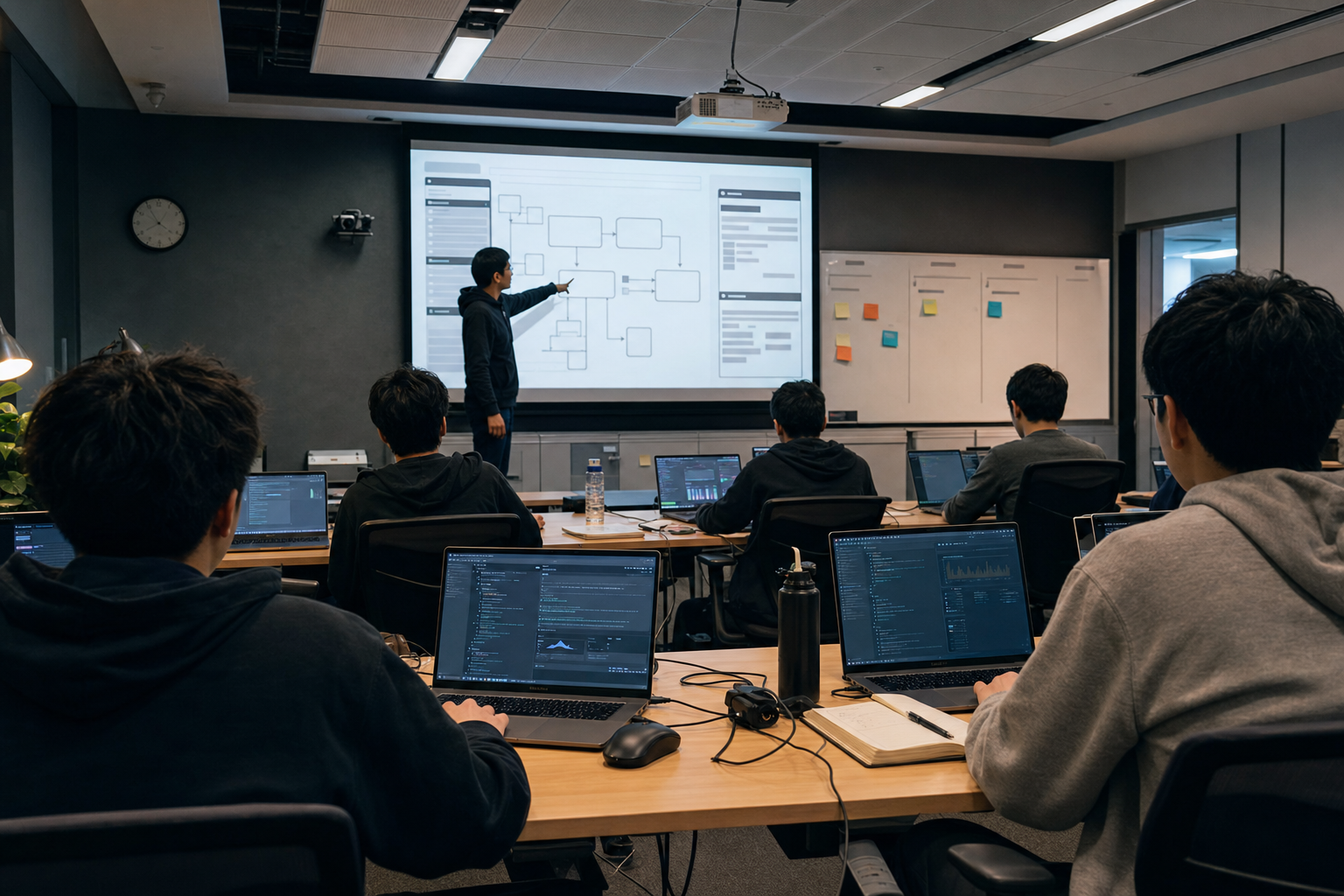
AI Churn at Work: What the “Frontend Lost Decade” Debate Can Teach Students and Junior Professionals
A growing debate in developer circles asks whether AI work is heading into its own version of frontend development’s “lost decade.” The comparison refers to...

The Shift to Lean AI: Why Faster, Smaller Models Matter for People With Limited Devices
Recent model releases and industry discussion around tools such as MAI-Code-1-Flash, Gemma 4, and Mistral’s latest direction point to a clear change in AI: the...

Should AI Ask Before Acting? Consent, Control, and the Next Wave of Everyday Automation
Recent discussion around Gmail-style automation and newer AI agents points to a bigger shift in software. The issue is no longer just whether an AI...

Small Multimodal Models, Big Classroom Questions: What New AI Releases Mean for Teachers on Limited Budgets
Recent AI releases and developer discussion around compact models, including reports of a Gemma 4 12B unified multimodal model and tools such as MAI-Code-1-Flash, point...
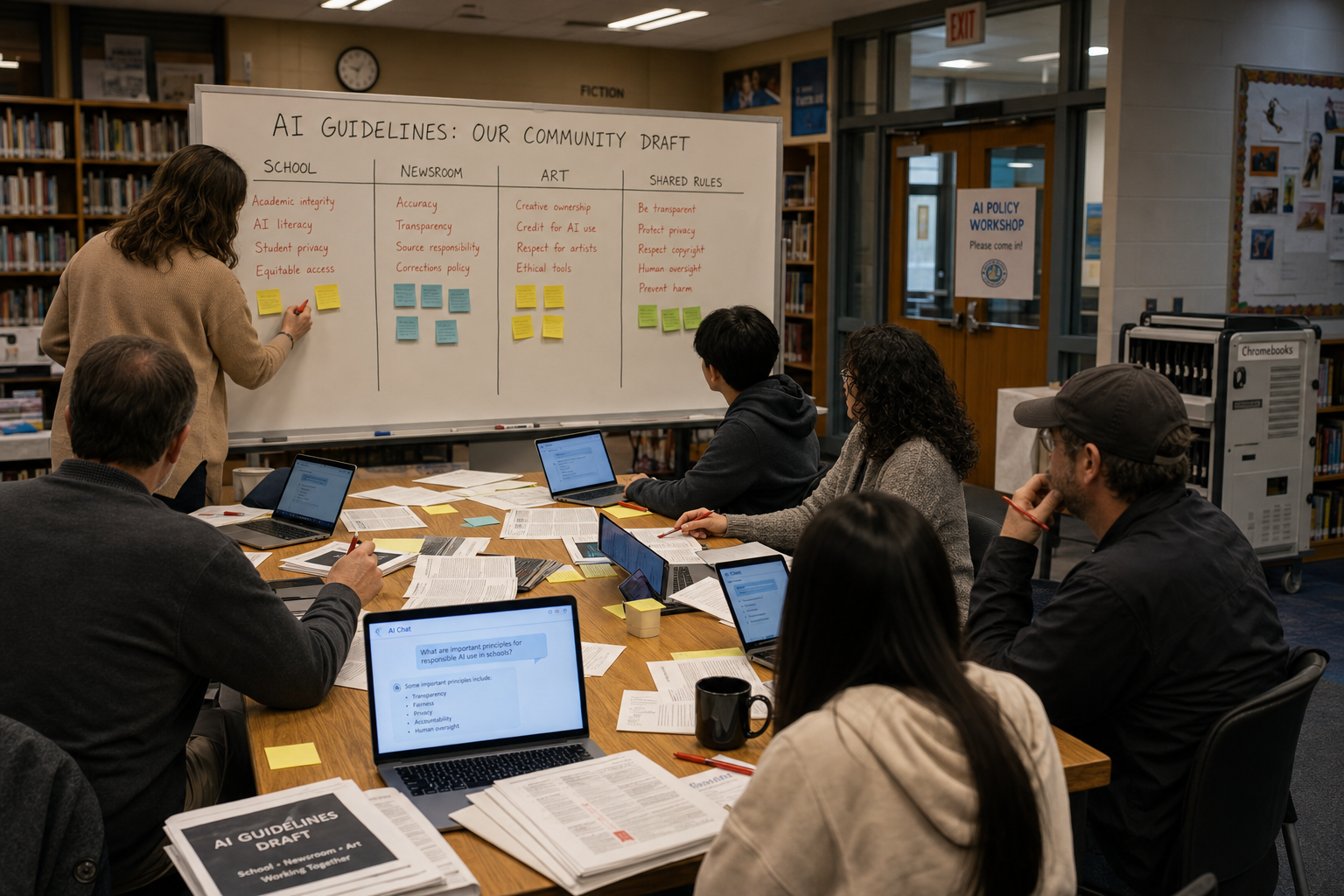
Community Rules for AI Use: Let the People Affected Help Write Them
Schools are issuing AI policies. Newsrooms are adding disclosure rules. Creative groups are arguing over whether AI-assisted work belongs in contests, pitches, or shared projects...

When Helpful AI Feels Patronizing: Smart Interfaces Should Support Users, Not Shrink Them
A recent wave of complaints about Gmail-style automation, including a widely shared Hacker News post titled “Gmail thinks I’m stupid, so I left”, captured a...

AI Images in Student Projects: A Fair Credit Guide for Teachers, Parents, and Young Creators
AI-generated images are now common in student life. They show up in class slides, science fair boards, club posters, and social graphics made by teens....

The Invisible Editors of AI: Why Dataset Curators, Labelers, and Moderators Deserve Credit
As generative AI moved into search, office software, customer service, and classrooms, most public attention went to model size, computing power, and well-known founders. Much...
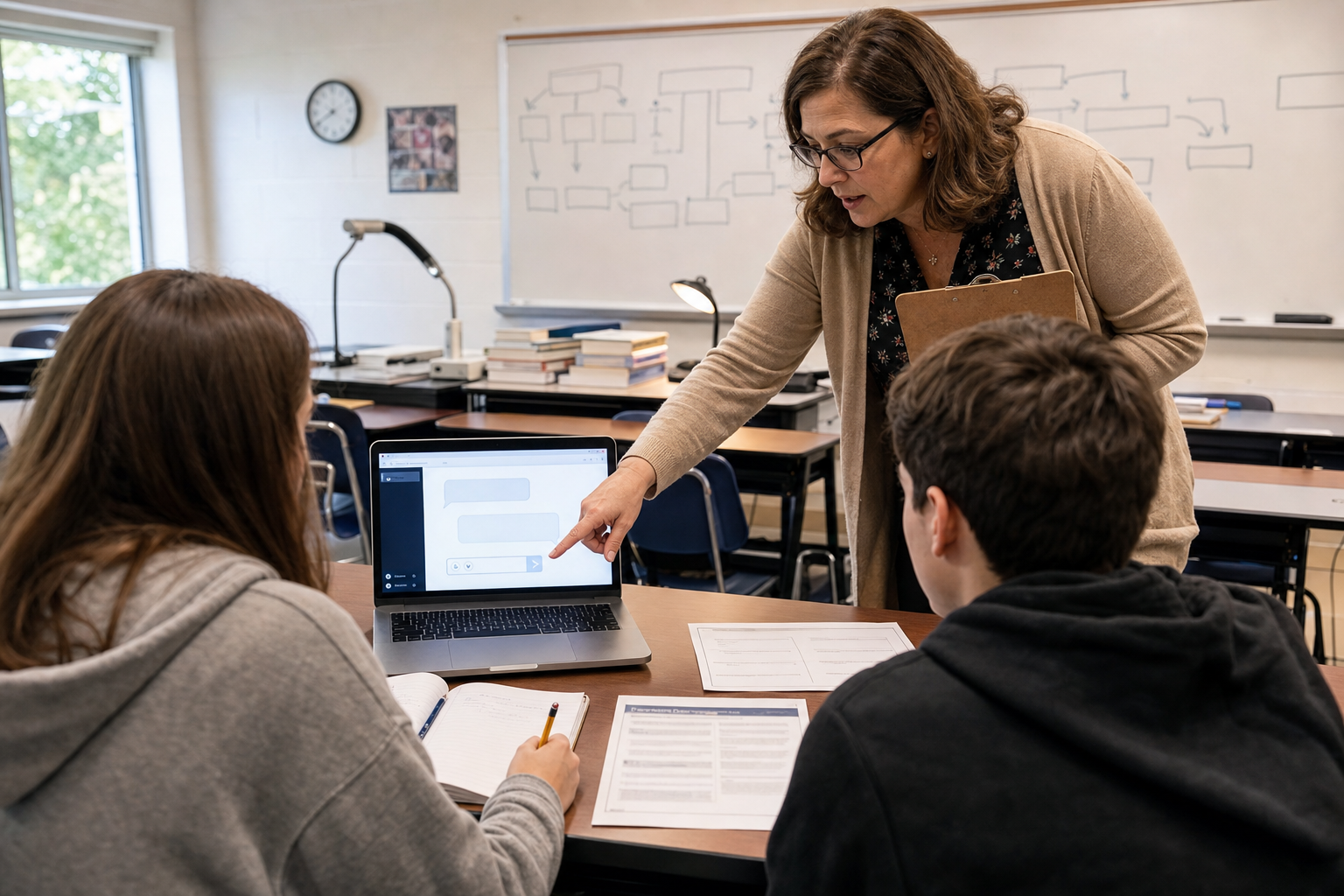
What Counts as AI Assistance in Schoolwork? A Plain-Language Guide for Students and Teachers
AI tools are now part of everyday schoolwork. Students use them to explain homework, check grammar, brainstorm topics, summarize readings, and sometimes draft entire assignments....

The Beginner’s Map of AI Tools: Chatbots, Image Generators, Agents, and Search Assistants
Over the past two years, AI tools have spread faster than most people can keep up with. A single app may now offer writing help,...
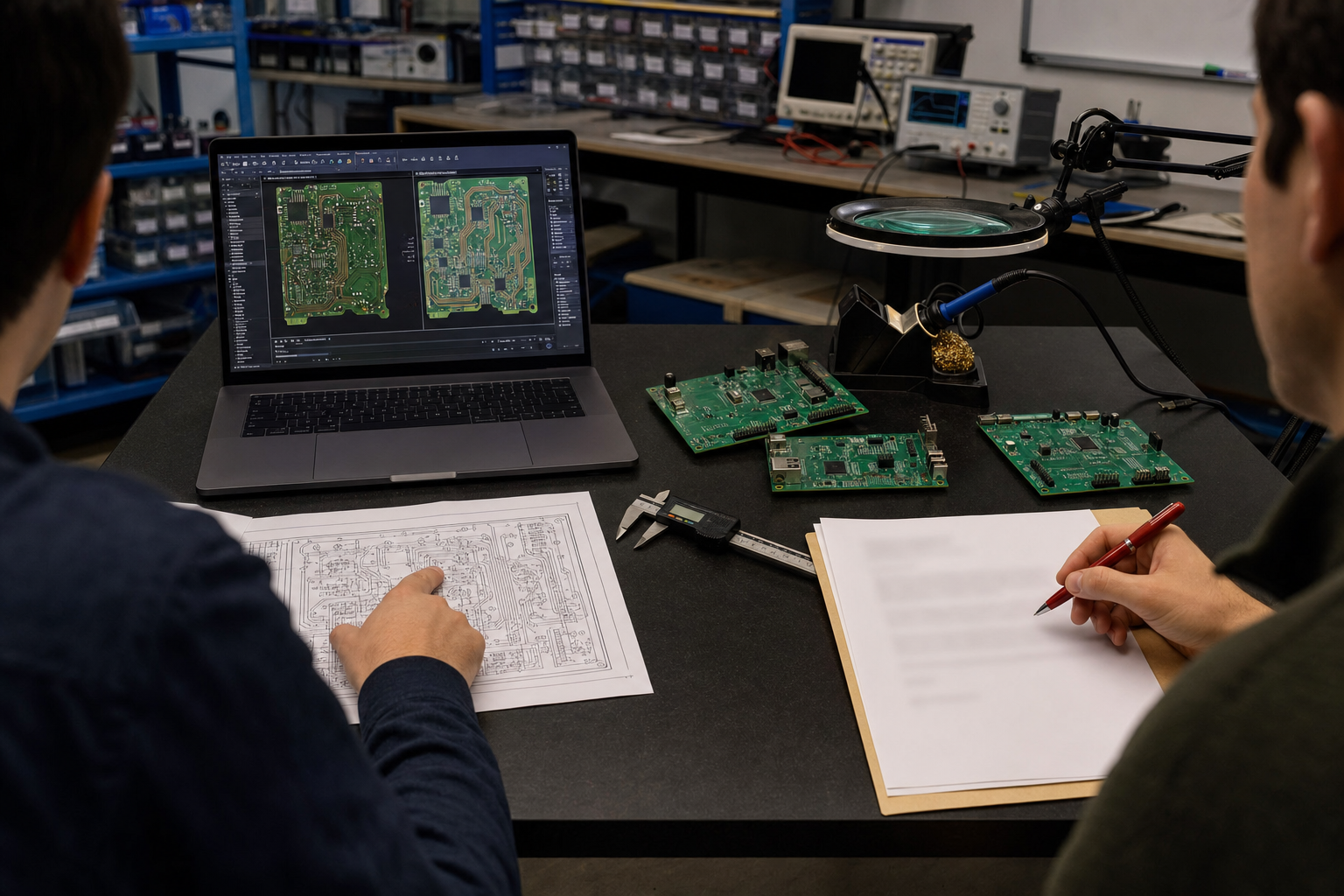
Who Owns the Circuit? What the Adafruit–Flux.ai Dispute Shows About AI, Communities, and Credit
A public dispute between Adafruit and Flux.ai has pushed a small hardware-world conflict into a much bigger argument about AI and ownership. Public discussion has...

Can AI Help Us Think Better? A Human Guide to Cognitive Offloading
AI is quickly becoming a daily thinking aid. People now use it to summarize articles, plan projects, draft emails, explain homework, translate notes, and turn...

Before You Ask an AI: The 5-Minute Brief That Improves Every Answer
With fresh attention on newer flagship models, including Claude Opus 4.8, many people are once again testing whether the latest AI finally gives better answers...

AI and the Apprenticeship Gap: How Beginners Can Still Learn When Tools Do the First Draft
Generative AI is now doing the kind of first-pass work that used to belong to beginners. It can draft code, write emails, summarize documents, suggest...
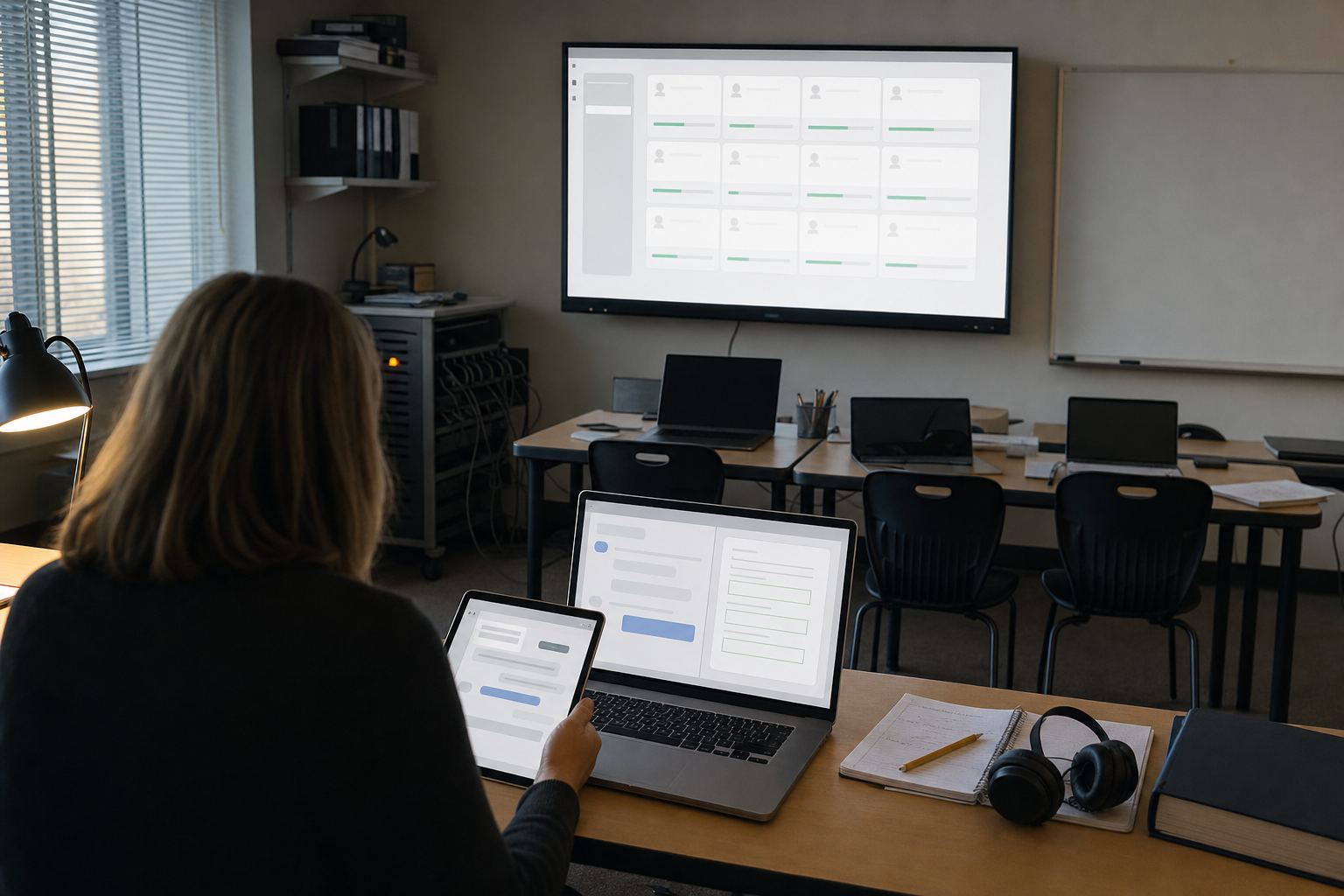
What Research Really Says About AI Tutors: Help, Harm, and the Human Teacher in the Loop
Since ChatGPT, schools, parents, and startups have rushed AI tutors into study apps, homework tools, and classroom platforms. The pitch is simple: every student can...

The New Model Release Translation Guide: What “Better Reasoning” Means for Teachers, Writers, and Teams
Recent model launches have brought a familiar promise: better reasoning. That phrase has also appeared in partly speculative discussion around possible updates such as Claude...

The AI Disclosure Starter Kit for Arabic Creators: What to Tell Your Audience Before the Platform Does
Platforms are moving toward more visible AI labels. YouTube already asks creators to disclose some altered or synthetic material, and reports and policy signals suggest...

From Blank Page to Better Draft: A Human-Centered Workflow for Writing with AI Without Losing Your Voice
AI writing tools have moved quickly from novelty to routine. Students use them to start essays. Marketers use them to draft campaigns. Professionals use them...

Open Models, Local Voices: Why the Mistral Moment Matters for Arabic Educators and Creators
Based on summit notes and limited reporting around Mistral’s recent public conversation, the main signal is not just that another model company wants attention. It...

Tokens, Context Windows, and Memory: The Three AI Terms That Explain Most Chatbot Confusion
Chatbot products now advertise huge context windows, better handling of long files, and new memory features. Many users reasonably hear that as one simple promise:...

When AI Starts Sounding Like a Friend: A Human Guide to Healthy Boundaries with Chatbots
Chatbots are becoming more personal. They reply in a calm tone, remember details from earlier messages, and often sound patient in a way many people...

Good Arabic Is Not Enough: Why Arabic AI Outputs Still Need Local Editors
AI tools can now produce Arabic that looks correct at first glance. That is real progress. But across student materials, creator scripts, customer messages, and...

What ‘Agentic AI’ Means When You Are Not a Programmer
Recent AI releases and product demos have started using a new vocabulary: agents, tool use, autonomy, and workflows. What has changed is not that chatbots...

AI-Generated Video Is Becoming Ordinary: A Viewer’s Guide to Trust Without Paranoia
AI-generated video is moving from novelty to routine. Recent discussion around YouTube’s efforts to label AI-generated or materially altered video points to a larger change:...

Why Some People Are Choosing Search Without AI Summaries
Reports that DuckDuckGo saw more visits after Google pushed AI Mode tell us something important, even if the traffic data is still incomplete and public...

Claude Opus 4.8 and the Work Humans Still Own: Judgment, Taste, and Responsibility
Anthropic’s Claude Opus 4.8 is already being discussed as another jump in model capability, especially in writing, analysis, and knowledge work. Some of that conversation...

YouTube’s Automatic AI Labels Are a Good Idea, but Only If They Stay Honest, Clear, and Fixable
YouTube is pushing AI disclosure into the mainstream. The platform has already required creators to disclose some realistic altered or synthetic content, and it is...

What Makes an AI Tool Feel Trustworthy? A Guide for Teachers, Editors, and Teams
AI tools are no longer a side experiment. Teachers use them to draft lesson plans and feedback. Editors use them to summarize interviews and clean...

AI Literacy Is Not Coding: The Beginner Skills Every Student Needs First
Schools, universities, and online courses are rushing to add AI education. Too often, they present AI literacy as coding, model-building, or learning technical terms. That...

When AI Enters the Research Room, Science Still Needs Human Judgment
Reports and online discussions have recently pointed to an OpenAI model helping researchers find a result in discrete geometry that challenged a major conjecture. Because...

The Human Checklist for AI-Generated Research Claims
AI research claims are getting bigger, faster, and harder for non-specialists to judge. A model beats experts on a benchmark. A system writes code more...

AI News Fatigue: How to Stay Informed Without Chasing Every Headline
AI news has become a rolling feed of model launches, benchmark claims, funding rounds, executive statements, safety warnings, product demos, and rumor-driven leaks. For many...

Should Your Team Switch AI Tools This Month?
Probably not. At least, not just because a new model launched. Over the last six months, teams have been hit by a steady stream of...

Verification Is the New Digital Literacy
In recent months, two AI stories have been unfolding at the same time. One is hopeful: reports and online discussions have suggested that large language...
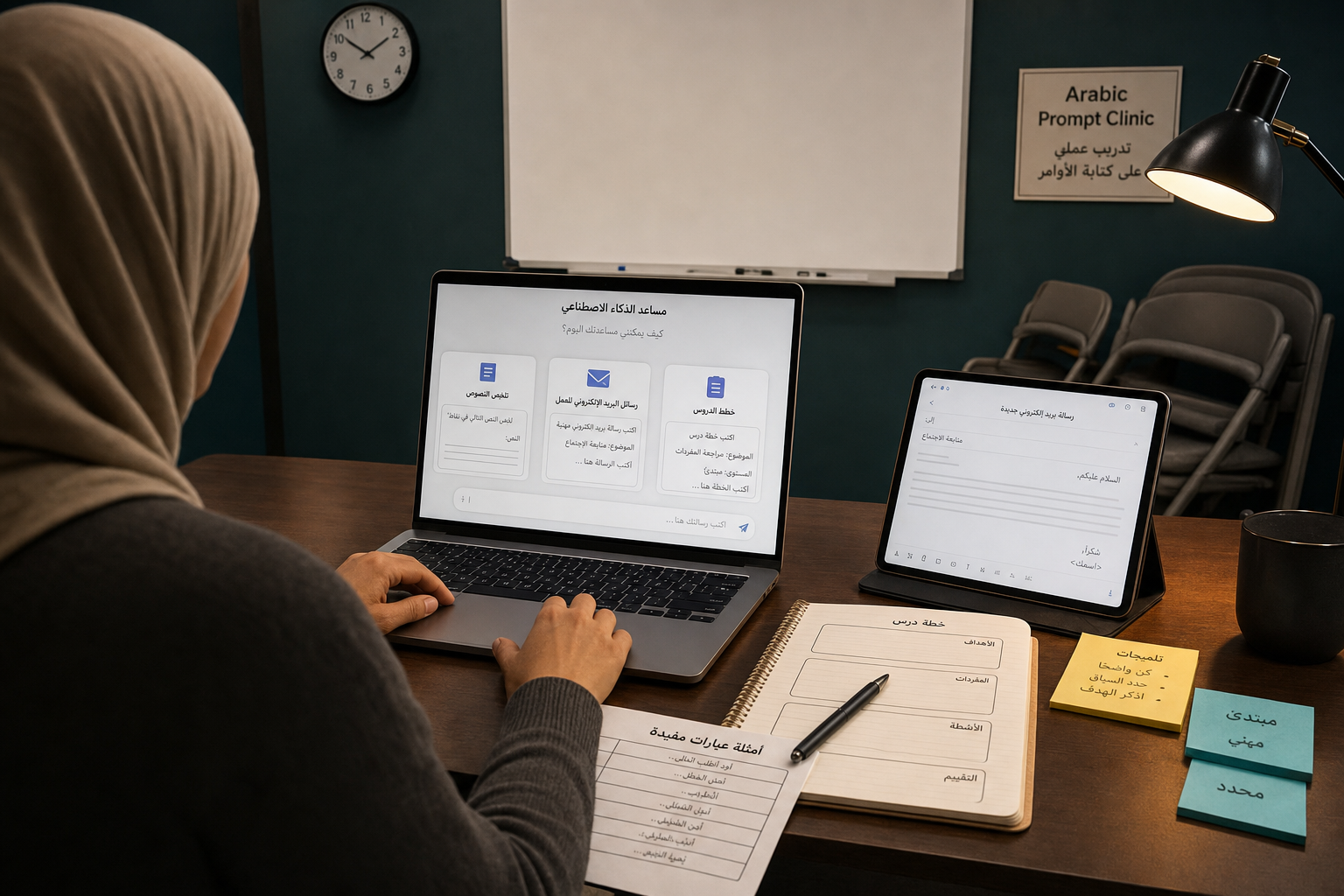
Arabic Prompt Clinic: 10 Before-and-After Prompts for Better Summaries, Emails, and Lesson Plans
Arabic-speaking beginners are using AI tools for real tasks now, not as a novelty. They want quick summaries for study, better emails for work, and...
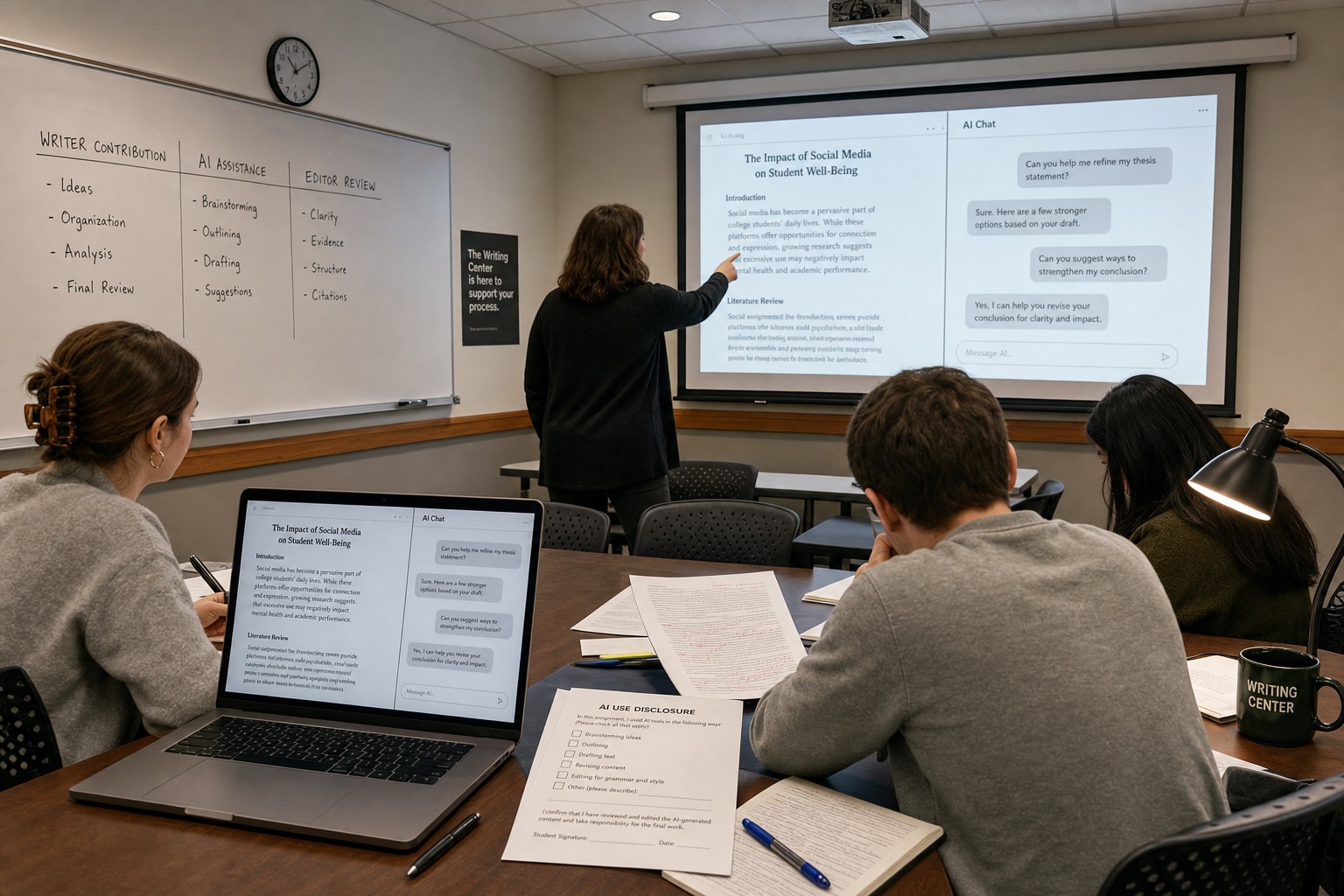
Who Gets Credit When AI Helps? A Guide for Writers, Students, and Editors
AI has moved from the margins of writing into the daily routine. People now use it to brainstorm ideas, rewrite rough sentences, summarize research, generate...

The Classroom AI Policy Students Can Actually Understand
AI tools are already in classrooms, whether schools feel ready or not. Students use them to explain difficult readings, clean up grammar, generate quiz questions,...

Will This New AI Model Actually Help Arabic Learners?
New AI models keep arriving, including releases positioned around speed and lower cost, such as Gemini 3.5 Flash, and others positioned around top-end capability, such...
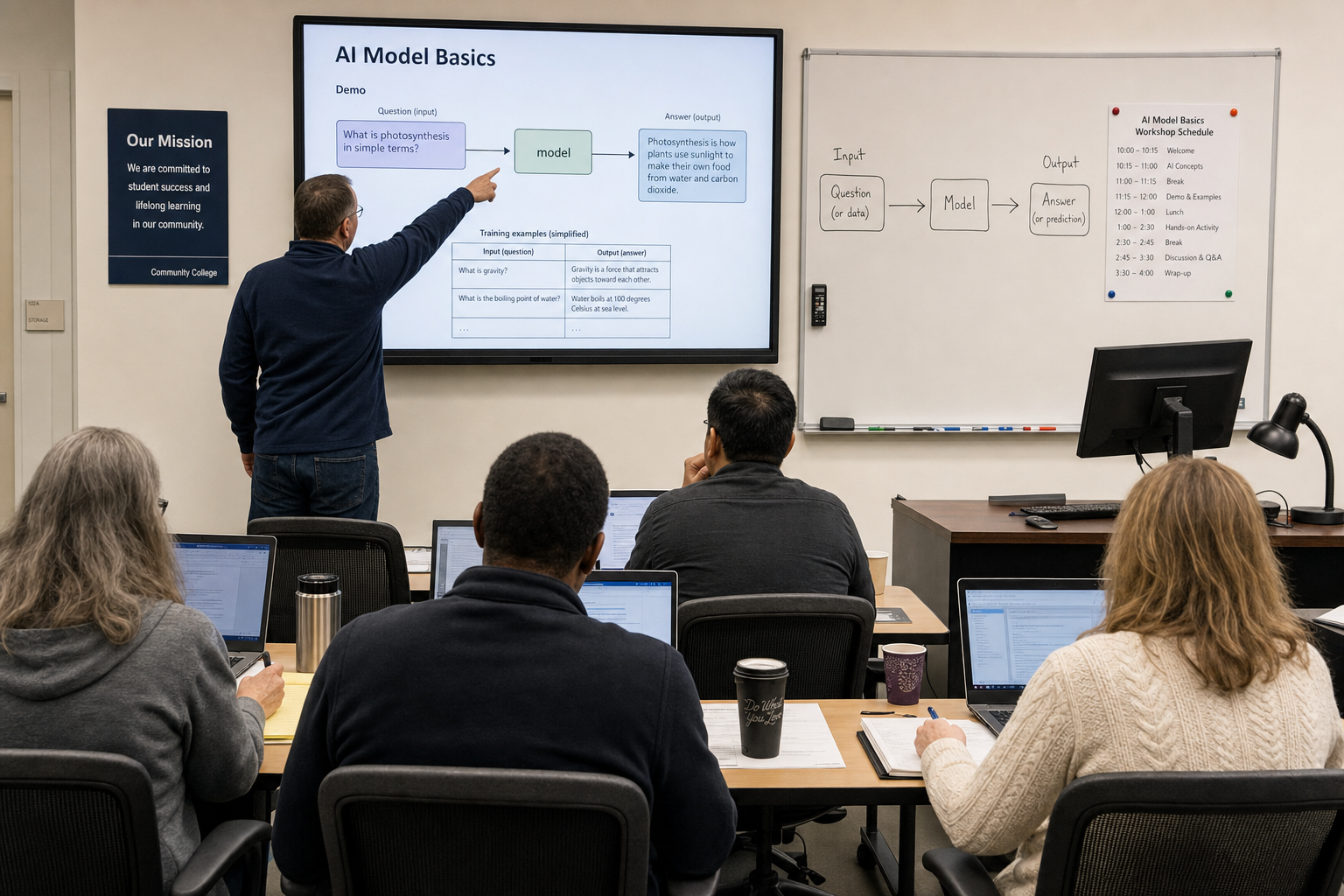
What Is an AI Model, Really? A Plain-Language Guide for Non-Technical Readers
A wave of AI announcements has put the word model everywhere. Companies say they have released a new model, a smaller model, a faster model,...

AI and Free Speech After the Tennessee Meme Settlement: What Creators Should Watch
According to public reports, a Tennessee man who spent 37 days in jail over a Trump-related meme has now received an $835,000 settlement. That is...
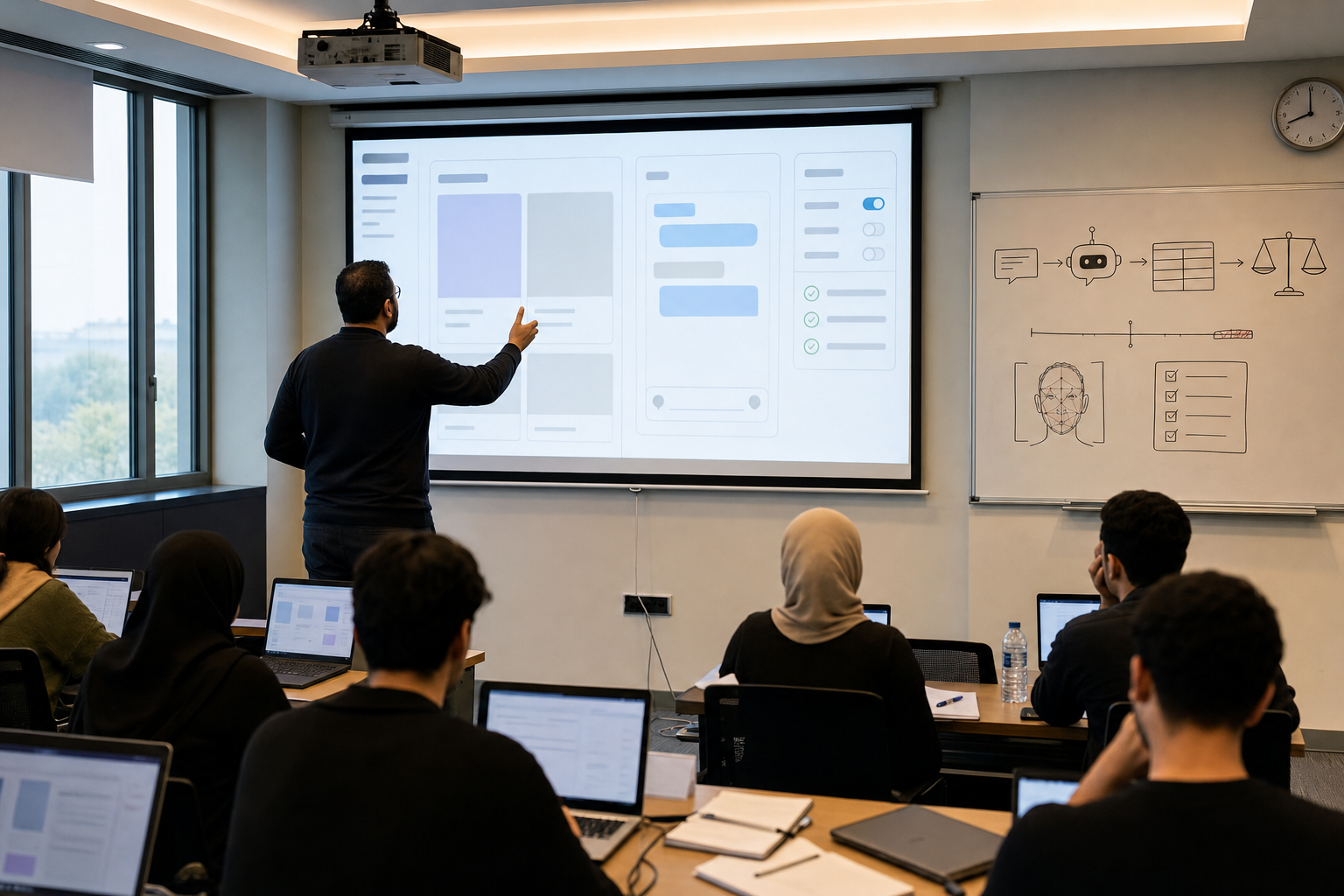
Arabic AI Literacy Starter Pack: 15 Terms Every Student and Teacher Should Know
AI tools reached classrooms faster than Arabic AI education did. Students now hear words like model, prompt, bias, and deepfake in app menus, school policies,...

When AI Researchers Move Labs: What the Anthropic Hiring Buzz Says About Trust, Safety, and Culture
A recent public “I’ve joined Anthropic” post from a prominent AI researcher drew strong discussion on Hacker News and elsewhere. The reaction was larger than...

Human-in-the-Loop AI, Explained: Why Better AI Systems Still Need People
New AI systems are getting faster, cheaper, and better at handling multi-step tasks. Some can search, summarize, write code, draft emails, call software tools, and...

AI as a Study Partner: How to Learn With Chatbots Without Letting Them Think for You
Students are already using chatbots for homework, revision, summaries, and exam prep. That part is no longer theoretical. The real question now is not whether...

How to Read AI Model News Without Getting Lost in Benchmarks
In the past six months, AI model news has started to look like a weekly scoreboard. A company releases a new model, posts a chart,...

When AI Helps Disprove a Math Conjecture, the Real Work Starts After the Headline
Reports circulating online, including discussion on Hacker News, say an OpenAI model helped disprove a major conjecture in discrete geometry. Public details still appear limited,...

The Last Six Months in LLMs: What Actually Changed, and What Didn’t
Over the past six months, large language models have become better at a few practical things: working across text, images, and audio; using tools such...

Gemini 3.5 Flash and the New Speed Race: What Faster AI Changes for Students, Teachers, and Small Teams
Even if the rollout details and benchmarks around Gemini 3.5 Flash continue to shift, the direction is already clear. Google’s Flash line represents a bigger...

What Musk's Loss to OpenAI Really Means for Trust, Power, and the Public AI Debate
Elon Musk’s latest setback against OpenAI has been framed as a win for Sam Altman and the company. In legal terms, that is broadly true:...

The Agent Frontier Without the Hype: When Autonomous AI Saves Time and When It Creates More Work
Agent talk is surging again. Model makers and software companies are now selling systems that do more than answer prompts. They browse websites, call tools,...

When AI Hype Becomes a Management Problem: Spotting Magical Thinking Before Your Team Pays the Price
The viral phrase “AI psychosis” is blunt, and it is not a medical diagnosis. Still, it points to a real workplace problem. In some companies,...

If AI Can Write the Code, What Should Beginners Learn First?
AI coding tools have changed a basic question in tech education. If a chatbot or code assistant can produce a working function in seconds, many...

Why Local AI Matters More in Arabic Than You Think
Interest in on-device and self-hosted AI is no longer limited to hobbyists. More people now want writing tools, transcription apps, search assistants, and chat interfaces...

When AI Tools Break Trust: The Human Lesson Behind a Supply-Chain Attack
According to TanStack’s public postmortem, attackers compromised part of its npm publishing process and malicious package versions were published before they were removed. That is...

What AI Still Can't Do in a Team Meeting
AI tools now draft agendas, transcribe discussions, summarize decisions, and turn loose conversation into tidy action items. At the same time, a recent online discussion...

When “AI-First” Becomes Wishful Thinking: A Human Checklist for Teams
“AI-first” is spreading as a management slogan across tech, education, customer service, and office work. The idea sounds simple: put AI into as many workflows...

How AI Impacts Society: 5 Changes Happening Right Now
Artificial intelligence has moved from a specialist technology into everyday life. It now helps write emails, screen job applicants, summarize documents, recommend products, support medical...

AI Content Generation: How It Works and Where Humans Still Lead
AI content generation has moved from novelty to routine workflow. Companies now use it to draft blog posts, marketing emails, product descriptions, social captions, meeting...

5 AI Assistants Compared: Which One Fits Your Workflow?
AI assistants have moved from novelty to routine software. OpenAI, Anthropic, Google, Microsoft, and Perplexity now all want to be the tool you use for...

AI Glossary: 30 Terms You Need to Know in 2026
In 2026, the public conversation about AI is bigger than ever, but the vocabulary is often worse. The same word can describe a chatbot, a...

The Real Risks of AI: What to Worry About, and What Not To
AI risk is now a public argument, not a niche one. In a short time, AI tools moved from research labs into search engines, offices,...
AI Productivity Hacks: 10 Ways AI Can Save You 5 Hours a Week
AI productivity tools have quietly moved from novelty to normal office software. Email apps, meeting platforms, document editors, and project tools now include some form...
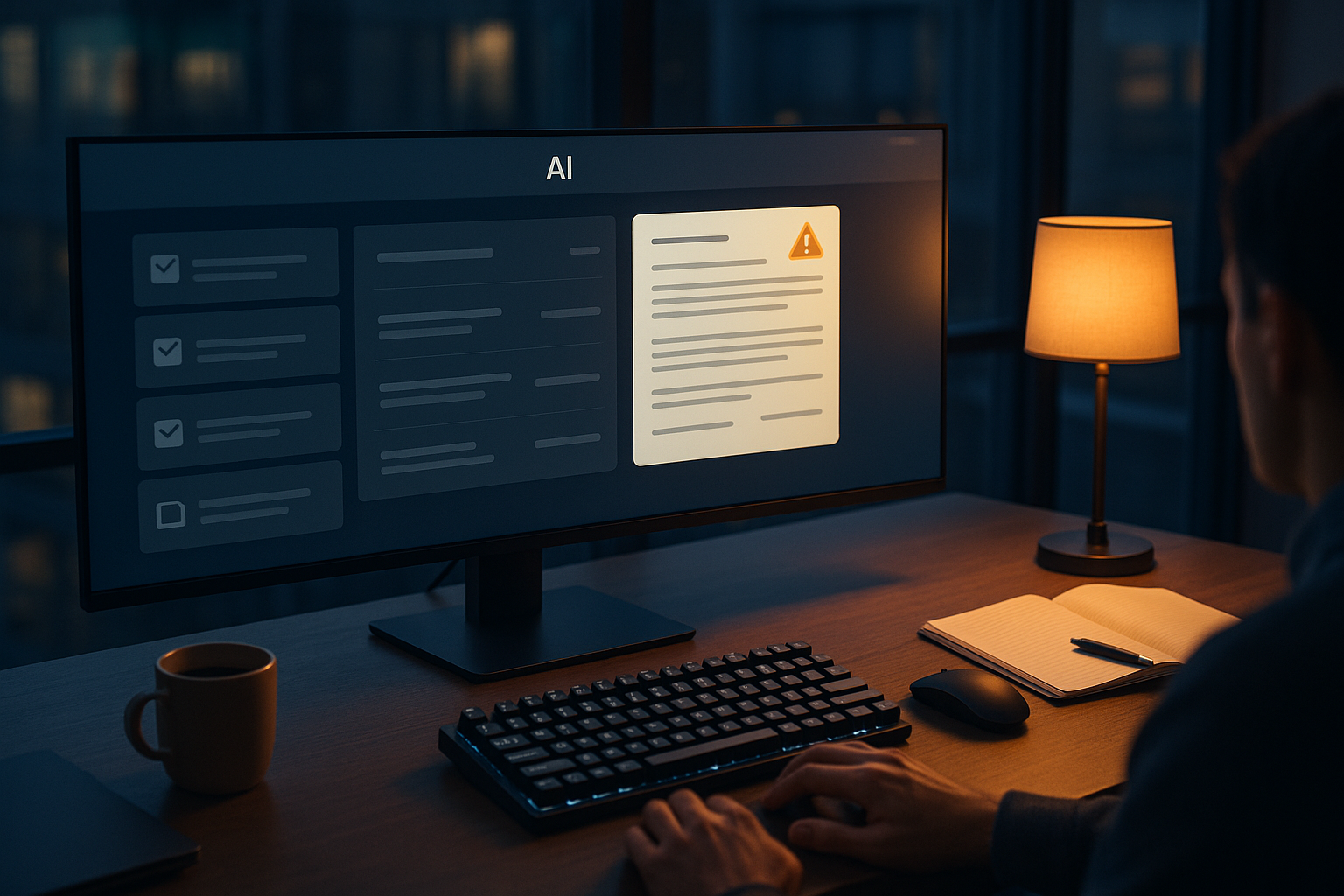
AI Automation: What Can Be Automated and What Still Needs Humans
AI automation has moved from product demos into ordinary work. Companies now use AI tools for work to sort emails, summarize meetings, draft reports, answer...

How AI Writes Poetry: Pattern, Prompt, and the Limits of Machine-Generated Verse
AI poetry is no longer a novelty. Today, the same AI writing systems used for emails, summaries, and marketing copy can also produce haiku, sonnets,...

Will AI Take Your Job? A Balanced Look at AI and Employment
AI has moved from research labs into everyday work faster than most people expected. Companies now use it to draft emails, summarize meetings, answer customer...

AI for Business: How Small Companies Are Using AI Today
Small companies are no longer just talking about AI. Many are already using it in ordinary parts of the workday: writing first drafts, summarizing meetings,...
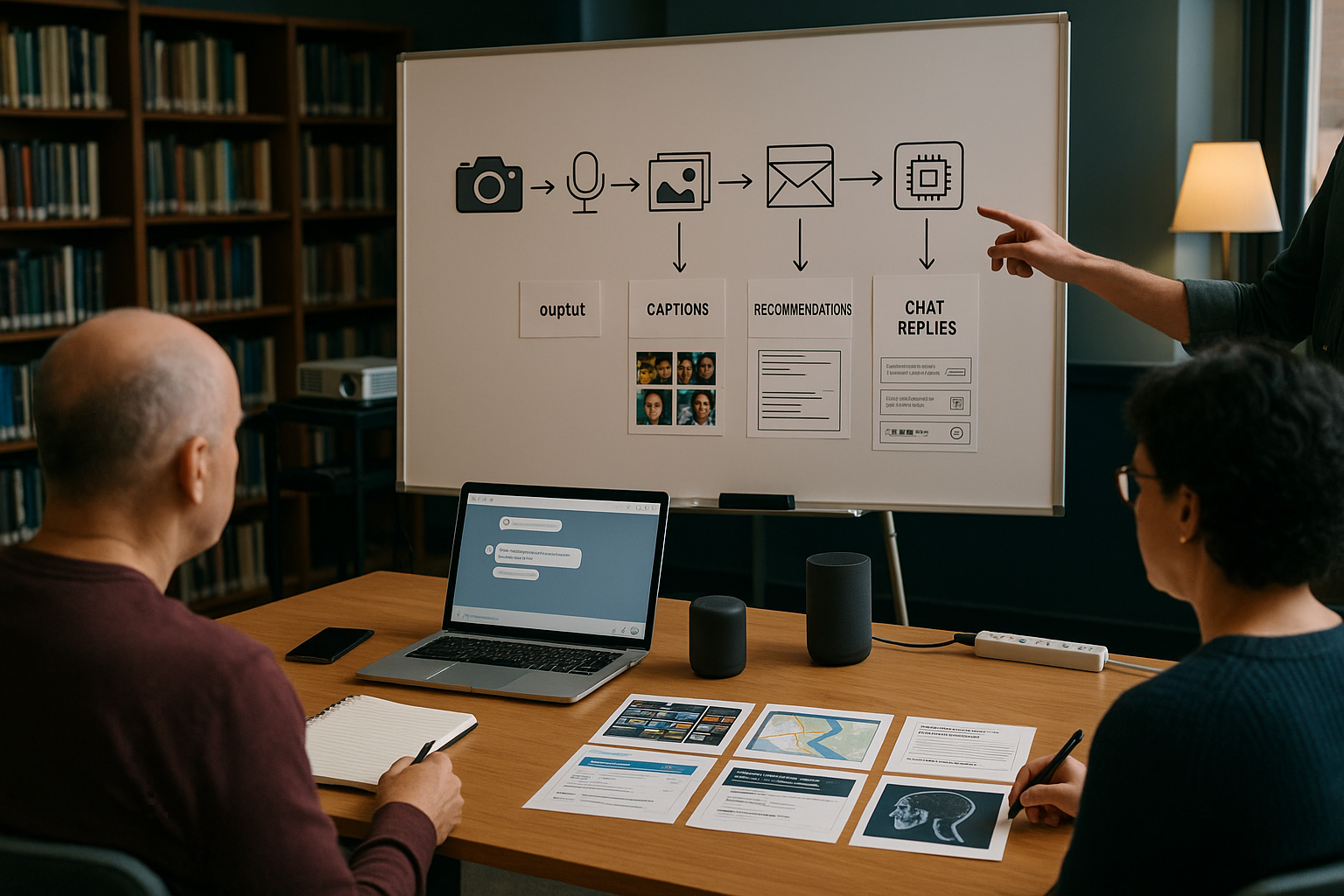
AI Explained Simply: 10 Concepts Everyone Should Know
AI has moved from a specialist topic to an everyday one. It now shows up in search engines, office software, customer service, schools, hospitals, hiring...

7 AI Examples You’re Already Using Without Knowing It
AI in daily life is usually not a chatbot on a screen. It is the quieter software that ranks search results, predicts traffic, filters email,...

The Best AI Tools in 2026: A Practical Guide for Work and Life
In 2026, AI tools are no longer side experiments. They are part of normal work. People use them to draft emails, search faster, summarize meetings,...

AI Can Generate Art, but Creativity Still Needs a Human Center
AI art, AI writing, AI poetry, and AI music are no longer side experiments. Image generators can produce polished visuals in seconds. Writing systems can...

AI in Education: Students and Teachers Should Adapt Together, Not Against Each Other
AI in education has moved from a side topic to a daily reality. Students now use AI tools to summarize readings, explain difficult concepts, translate...
AI in Education: Students and Teachers Are Adapting Together
AI is no longer a side topic in education. It is already part of everyday school and university life. Students use it to summarize readings,...

What Is Artificial Intelligence? A Human-Centered Guide
Artificial intelligence has moved from a specialist term to an everyday one. In a short time, AI tools have spread into search engines, phones, classrooms,...

Claude Mythos and the human tendency to mythologize artificial intelligence
There is a peculiar moment that now happens in millions of conversations every day: a person types a question into an AI system and comes...