When AI Giants Stay Private: Public Impact Without Public Accountability
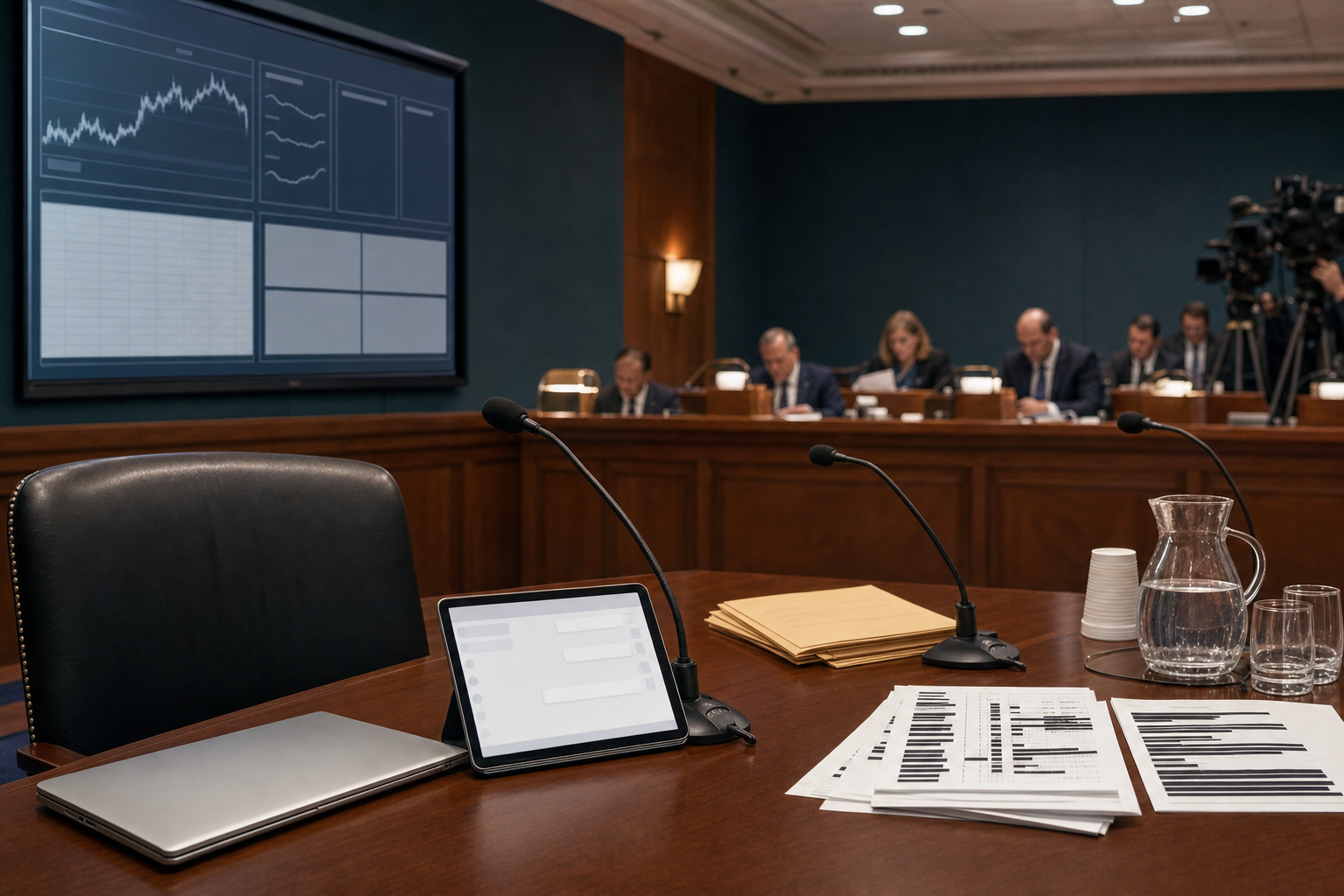
Recent online discussion about benchmark indexes has highlighted a simple rule: private companies do not enter public-market indexes such as the S&P 500. That means firms like OpenAI and Anthropic, whatever their size or influence, sit outside one of the main systems through which the public tracks corporate power. This is not a scandal or a special punishment. It is how the index is designed.
But the rule points to a bigger issue. Some of the most influential AI companies now shape education, work, culture, and information access while disclosing far less than public companies do. The tension is clear: staying private can protect long-term research from short-term market pressure, yet it can also leave the public with limited insight into decisions that affect jobs, learning, safety, and access to information.
Index rules are not the real story
It is easy to get distracted by the stock-market angle. Most people do not wake up worrying about whether an AI lab can join a major index. The real question is what private status allows.
Public companies are far from perfect, but they do face a routine level of scrutiny. They publish regular financial reports. They disclose some risks, governance details, executive pay, major investors, and material legal issues. They answer analysts. They deal with shareholder pressure. None of that guarantees honesty or good behavior. It does, however, create records that journalists, researchers, regulators, and the public can examine.
Private companies usually disclose much less. That is normal under current rules. The problem is that AI has made this gap feel much larger. When a company is developing tools used by students, teachers, office workers, programmers, customer-service teams, and media platforms, limited disclosure stops looking like a private matter.
Why private AI power feels public
AI companies are not just selling niche software to technical buyers. Their systems are becoming part of everyday infrastructure.
In education, schools and universities are testing chatbots, writing assistants, and tutoring tools. That can help students get quick support and give teachers new ways to explain material. It also raises obvious questions. What data is being collected? How often do the tools produce confident mistakes? What happens when a school becomes dependent on a vendor whose internal standards the public cannot inspect?
At work, large language models are being built into email tools, coding assistants, meeting software, search products, and internal knowledge systems. These tools can save time. They can also influence how work is measured, what tasks get automated, and which workers are monitored more closely. Employees often do not know what model is being used, how reliable it is, or how decisions about deployment were made.
In culture and information, the stakes are even wider. AI systems now help summarize articles, answer questions, generate images, and filter what people see first. That gives a small number of private firms unusual leverage over how information is packaged and discovered. A model does not need a vote in government to shape public life. It only needs to sit between millions of people and the information they want.
The case for staying private
There are real arguments on the other side, and they should be taken seriously.
Building advanced AI systems is expensive and uncertain. Private ownership can give companies room to make long-term bets without being judged every quarter by public markets. Supporters of this model say it protects research, allows faster decisions, and can even support safety by reducing pressure to chase constant short-term growth.
There is also a fair point about public markets themselves. Listing on an exchange does not magically make a company transparent, responsible, or well governed. Public firms can hide problems, overstate progress, and prioritize stock price over the public good. A ticker symbol is not a moral upgrade.
That is all true. The goal should not be to force every important AI company to go public. It should be to stop treating private status as a sufficient excuse for limited accountability.
Why private status is no longer enough
The old distinction between “private company” and “public institution” breaks down when a company’s products become part of basic social systems. If a firm influences how children learn, how workers are evaluated, how news is summarized, and how public agencies buy technology, then its responsibilities cannot end at the investor cap table.
This is especially important in AI because so much remains uncertain. Claims about safety, bias reduction, model reliability, energy use, and data practices are hard for outsiders to verify. Some companies publish useful policy papers or safety notes, and that is better than silence. But voluntary publication is not the same as consistent, comparable, enforceable disclosure.
There is also a concentration problem. Even when AI labs remain private, they are often tied closely to a small group of giant cloud providers and strategic investors. That can create a strange mix of enormous reach and diffused responsibility. The public sees the tools everywhere, but the lines of control are harder to follow.
In other words, index exclusion is not the central harm. Ordinary investors missing out on a private company’s upside is a secondary issue. The bigger concern is democratic visibility. A company should not need to launch an IPO before society can ask basic questions about power, risk, and accountability.
What accountability should look like
If the public impact is large, the reporting standard should rise with it. That does not require copying securities law in full. It does require clearer baseline obligations.
- Deployment transparency: regular public reports on where major models are being used, especially in schools, workplaces, health settings, and government services.
- Incident reporting: disclosure of significant failures, security breaches, harmful outputs, or misuse patterns that create public risk.
- Governance clarity: plain-language explanation of who controls key decisions, how boards are structured, and whether safety teams can be overruled.
- Independent audits: outside review of systems used in high-impact settings such as hiring, education, lending, and public-sector procurement.
- Labor and supply-chain visibility: better reporting on contractors, data annotation work, content moderation, and the environmental cost of large-scale computing.
- User recourse: real channels for people to challenge harmful outputs or AI-supported decisions, rather than generic support pages and vague appeals.
None of this is radical. Industries with broad public consequences already face special reporting duties. AI should not be the exception simply because the companies behind it have chosen not to list shares on a stock exchange.
Promise and risk belong in the same sentence
It is worth saying plainly that private AI firms have delivered real value. Their tools help people write, research, code, translate, and search faster. They have pushed the whole technology sector to move more quickly. In some fields, they may widen access to expertise that was once expensive or hard to find.
But the risk is not abstract. A company can expand access and still weaken accountability. A model can save time and still spread errors. A private governance structure can protect long-term research and still concentrate too much power in too few hands.
That is why this debate matters beyond finance. It is about what kind of social bargain we want. If AI companies want the freedom to shape public life at scale, they should accept public-facing duties that match that scale.
The practical bottom line
We should stop confusing private ownership with private consequences. The stock market can decide which companies belong in an index. Society should decide that influence brings obligations.
If an AI company wants to help run the tools people use to learn, work, and find information, “we are still private” is not a complete answer. A ticker symbol should be optional. Public accountability should not be.