7 AI Examples You’re Already Using Without Knowing It
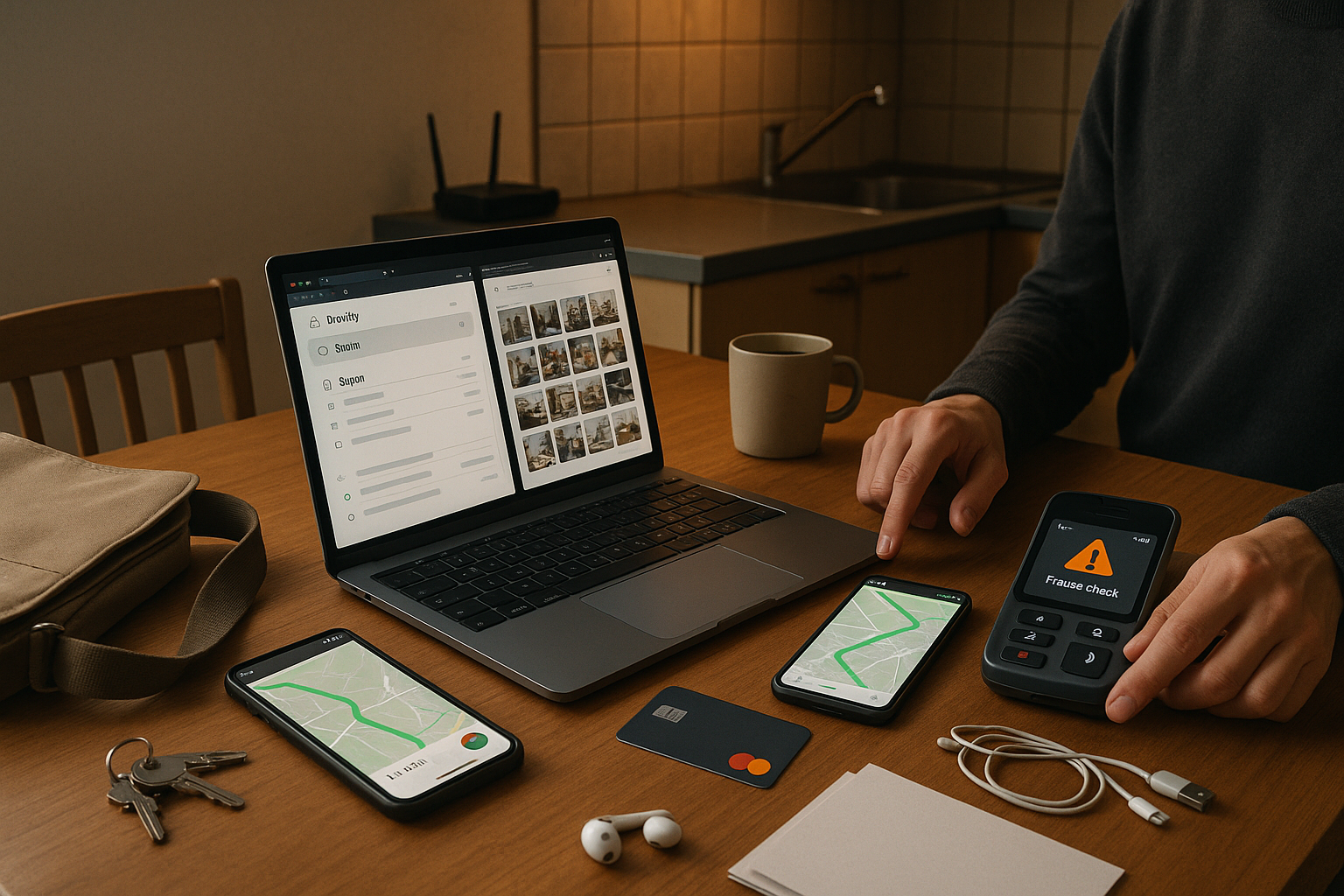
AI in daily life is usually not a chatbot on a screen. It is the quieter software that ranks search results, predicts traffic, filters email, sharpens phone photos, and flags suspicious card payments. That matters because many people still talk about AI as if it is mainly a future technology, when it is already built into routine services they use every day.
The real debate is not whether these systems exist. It is whether people can see them clearly enough to judge them. Some companies stretch the word AI until it means almost any automation, and that is a fair criticism. But when software learns from large amounts of data to predict, classify, recommend, or detect patterns, it is doing work that affects what people see, buy, trust, and miss. My view is simple: we should treat AI less as spectacle and more as everyday infrastructure that deserves basic scrutiny.
For practical purposes, think of AI here as software trained on data to make useful guesses. Sometimes those guesses save time. Sometimes they create blind spots. Usually they do both at once.
1. Search results and autocomplete
When you start typing into Google or another search engine, the suggestions are not random. The system is predicting your intent based on popular searches, language patterns, your location, and sometimes your previous behavior. The results page is also ranked by systems designed to estimate what will be most relevant.
This is one of the most common AI examples because it feels so normal. It saves time and often gets you to the right answer faster. The risk is subtler. People tend to trust the first results they see, even when those results are shaped by optimization tactics, commercial interests, or weak sources that learned how to rank well.
2. Maps, traffic estimates, and ride apps
Open a maps app and ask for the fastest route. Behind that simple request, the system is comparing live traffic, historical travel times, road closures, and the behavior of other users. Ride-hailing apps do something similar when they predict arrival times, match drivers, and estimate demand.
The benefit is obvious: fewer wrong turns and better time planning. But the convenience depends on constant location data, and the predictions are not neutral. A route that is efficient for one driver can push extra traffic into a residential area. A surge price may reflect real demand, but it still feels very different when a machine sets it second by second.
3. Recommendation feeds on Netflix, Spotify, YouTube, and shopping apps
If an app keeps showing you songs, films, videos, or products that fit your taste, AI is probably involved. These systems look at what you clicked, skipped, bought, replayed, or watched to the end. Then they predict what might keep you engaged.
This can be genuinely useful. It helps people discover music, save time, and find products faster. The downside is that recommendation systems can narrow choice while giving the impression of abundance. They often reward whatever keeps attention, not whatever is most accurate, healthy, or surprising.
4. Email spam filters and smart inboxes
Most people rarely think about how much junk mail never reaches them. Spam filters are trained to spot patterns linked to scams, phishing attempts, bulk promotions, and suspicious wording. Many email services also sort messages into categories such as Primary, Promotions, or Updates.
This is AI doing quiet, useful labor. It protects users and reduces clutter. The trade-off is that legitimate messages sometimes get buried or blocked, and people may not realize how much automated sorting now stands between them and their communication.
5. Phone cameras and photo apps
Modern smartphone cameras do much more than capture light. They can sharpen faces, brighten dark scenes, blur backgrounds, reduce noise, and combine several exposures into one final image. Photo apps can also group pictures by faces, places, or objects so you can search for “dog,” “beach,” or “birthday.”
The upside is simple: better photos with less effort. The more uncomfortable point is that many images are now heavily processed before you even see them. That is convenient, but it also means the camera is no longer just recording a scene. In some apps, face grouping raises an additional privacy question about how personal images are organized and stored.
6. Banking fraud detection and payment security
When a bank texts you about a suspicious purchase, an AI system may have noticed that the transaction did not fit your usual pattern. These models look at timing, amount, location, merchant type, and other signals to decide whether a payment looks normal or risky.
Used well, this is one of the clearest benefits of AI in daily life. It can stop fraud before the damage spreads. But it also has a cost when the system gets it wrong. A false alert can freeze a card during travel or block a needed purchase. The judgment happens fast and usually out of sight.
7. Predictive text, translation, voice typing, and live captions
Every time your phone suggests the next word, corrects a typo, turns speech into text, or translates a message, it is using pattern recognition trained on language data. The same is true for many live caption tools in video calls and social media clips.
These tools can make communication faster and more accessible, especially for people working across languages or relying on captions. But they are still error-prone. Names, accents, dialects, humor, and context are frequent weak points. That matters because a wrong caption or mistranslation can change meaning while looking polished enough to trust.
Not every “smart” feature deserves the AI label
A fair counterpoint is that tech marketing often inflates the term. Some features called AI are just standard software rules, statistics, or old-fashioned automation. That is true, and the distinction matters. Still, it would be a mistake to dismiss the whole conversation on that basis. In practice, millions of people already rely on systems that learn from data and make predictions for them every day.
The more useful question is not, “Is this magical?” It is, “What is this system deciding, based on what data, and with what consequences if it is wrong?” That question is better than hype, and better than cynicism too.
Pay attention to the quiet systems
The strongest case for learning these AI examples is not fear. It is awareness. If a service recommends, sorts, predicts, flags, enhances, or personalizes something before you ask, some form of AI may already be involved. That does not mean you should avoid it. It means you should notice where convenience depends on data, where mistakes can be hidden, and where a ranked or filtered result may shape your choices more than you realize.
AI is already ordinary. That is exactly why it deserves closer attention.