Wikipedia Is Cleaning Up AI-Generated Writing: What That Means for Students and Online Knowledge
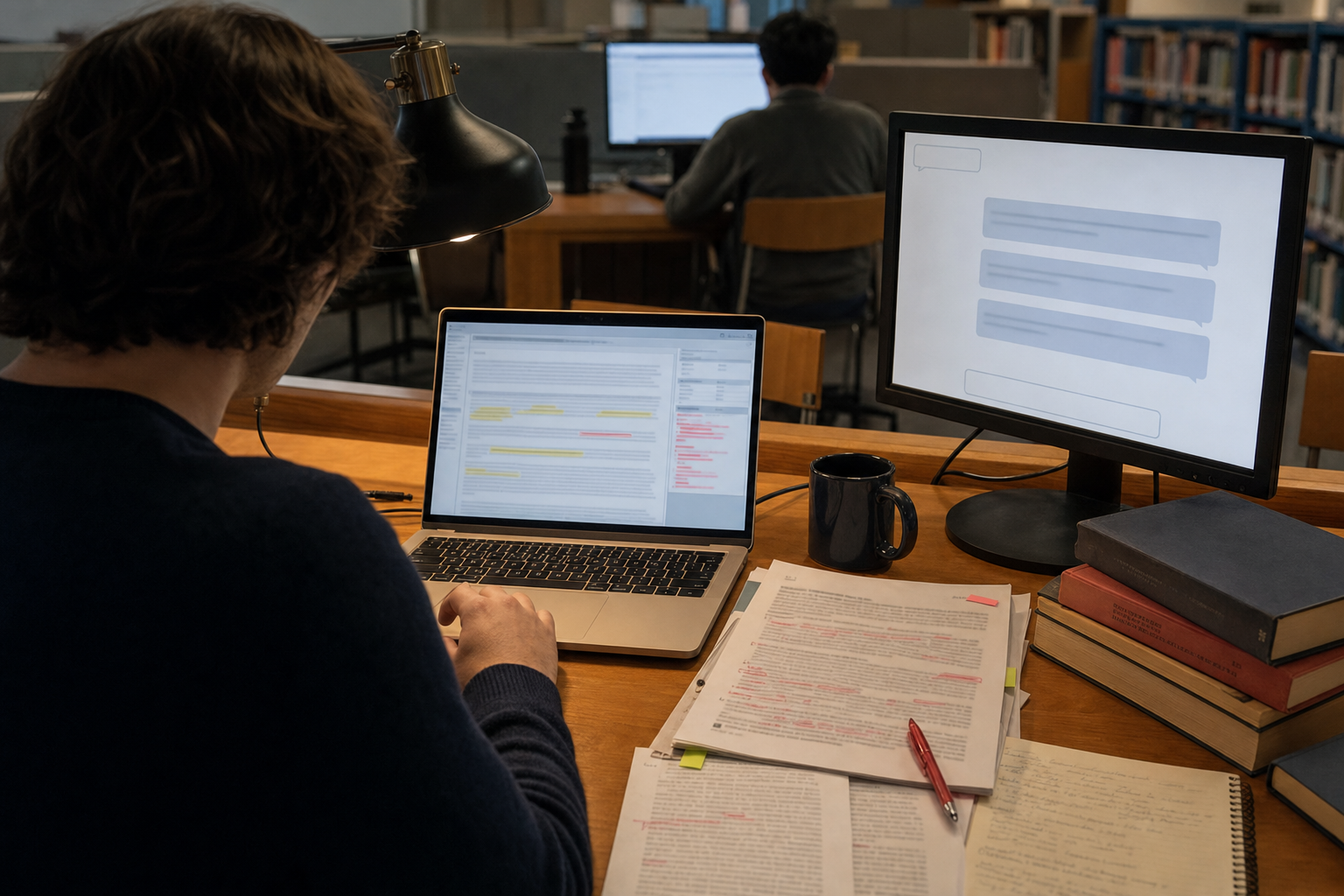
Recent editor discussions and reporting suggest that Wikipedia volunteers are spending more time finding, rewriting, or removing AI-generated text from articles. The exact scale is not fully public, and this does not appear to be one dramatic sitewide purge. But the pattern is clear enough: as generative tools make it cheap to produce polished prose, Wikipedia is dealing with more text that looks useful before anyone checks whether it is accurate, balanced, or properly sourced.
That matters because Wikipedia is still one of the internet’s main starting points for research. Students use it. Teachers use it. Journalists use it. Search engines and AI products also draw from the wider web that Wikipedia helps shape. The central debate is not whether any AI-assisted editing should be allowed. It is whether open knowledge can stay trustworthy when text becomes easier to generate than to verify.
The real problem is not machine-written prose. It is weak accountability.
Wikipedia has never promised perfection. It promises something more practical: claims should be traceable to reliable sources, and other editors should be able to challenge them. That system is messy, but it is why Wikipedia works better than many people assume.
AI-generated writing puts pressure on that system because it can produce fluent, neutral-sounding text very quickly. A paragraph can read as if it belongs in an encyclopedia even when its sources are thin, misread, or invented. The danger is not always obvious nonsense. Often it is a smoother version of an old internet problem: writing that sounds authoritative without earning that authority.
Readable is not the same as reliable.
That is why Wikipedia’s cleanup effort makes sense. A clumsy but honest short article is easier to improve than a polished paragraph that hides errors behind confidence. On a niche history page, a medical topic, or a biography of a lesser-known public figure, a few plausible but shaky sentences can mislead readers for a long time.
Bad edits existed long before generative AI. Wikipedia has always faced vandalism, bias, promotion, and sloppy sourcing. What AI changes is the volume and the surface quality. It lowers the cost of producing text that looks finished. That means more work for the people who check facts, review citations, and maintain standards.
Why students should pay close attention
Students are in the middle of this shift. Many already use Wikipedia as a first stop and AI chat tools as a second stop. That can be efficient, but it also creates a new error loop.
Imagine a student reads a Wikipedia summary, copies the main idea into notes, then asks an AI tool to simplify it for an assignment outline. If the original summary was poorly sourced or machine-generated, each step makes the claim sound cleaner while moving the student farther from the evidence. By the time the sentence appears in homework, the source trail may be gone.
This is not an argument against using Wikipedia. It is an argument for using it correctly. Wikipedia is strongest as a map. It points readers toward sources, key dates, names, and debates. It is weaker when readers treat it as the final authority and never click beyond the article.
Educators should take this seriously too. The new literacy skill is not just writing clearly. It is tracing a claim back to where it came from and asking whether the cited source actually supports it. A tidy paragraph is no substitute for that step.
Wikipedia is not anti-technology, and it should not be
There is also a fair counterpoint. Not every use of AI on Wikipedia is harmful. In some cases, AI tools can help with grammar, translation, formatting, or turning rough notes into a clearer draft. Wikipedia already relies on automation in many forms. Bots help with maintenance. Templates organize information. Machine-assisted workflows are not new.
That matters because a total ban on any AI assistance would be too blunt. It could make editing harder for non-native English speakers, new contributors, or volunteers working on underdeveloped topics. Useful tools can lower barriers and save time.
The better standard is simple: assistance is acceptable, but accountability must stay human. If an editor adds a sentence, that editor should be able to defend the wording, verify the source, and explain the claim. AI can help prepare text. It cannot replace editorial responsibility.
That is where some of today’s debate gets confused. The choice is not between “use AI everywhere” and “reject AI entirely.” The real choice is whether communities keep strong review norms when drafting becomes effortless.
This is a warning for the wider web
Wikipedia’s cleanup is not only a Wikipedia story. It is an internet story.
Reference sites, forums, study guides, product reviews, and explainers are all vulnerable to the same problem: low-cost synthetic text that arrives faster than moderators can inspect it. Once that material spreads, search results absorb it. Then AI tools summarize it. Then people use those summaries in school, work, and publishing. The result is not always dramatic falsehood. More often, it is a slow decline in precision and trust.
That is especially important because many people now interact with knowledge through summaries rather than original documents. If the summaries are built on weak material, the whole chain gets weaker. Wikipedia’s editors are pushing back against that decline in one visible place. Other platforms will need to do the same.
There is also a labor question here. Communities can defend quality, but it takes time. Volunteers, moderators, librarians, teachers, and editors do the slow work that keeps public knowledge usable. Generative tools make text cheaper. They do not make verification cheaper to the same degree. That gap is now one of the most important facts in online publishing.
A useful standard for students, teachers, and platforms
- For students: Use Wikipedia to orient yourself, then follow at least one cited source before repeating a claim.
- For teachers: Ask for source trails, not just polished writing. Reward verification, not only fluency.
- For platforms: Invest in citation checks, revision review, and contributor accountability before chasing more content.
- For AI toolmakers: Make it easier for users to inspect sources and harder to mistake a smooth summary for verified knowledge.
None of this is glamorous. It is procedural. But procedures are what protect shared knowledge when the internet gets noisier.
The right lesson
Wikipedia’s cleanup of AI-generated writing should be seen as a healthy response, not a panic reaction. It shows that one of the web’s most important knowledge communities still understands the difference between more text and better information.
For students, the lesson is practical: do not confuse convenience with evidence. For the rest of the internet, the lesson is bigger: in an age of abundant machine-made prose, the scarce thing is not words. It is checked, attributable judgment. Any platform that wants to stay useful will have to defend that standard as firmly as Wikipedia is trying to do now.