If AI Helps Write the Code, the Public Should Be Able to Inspect It When the Stakes Are High
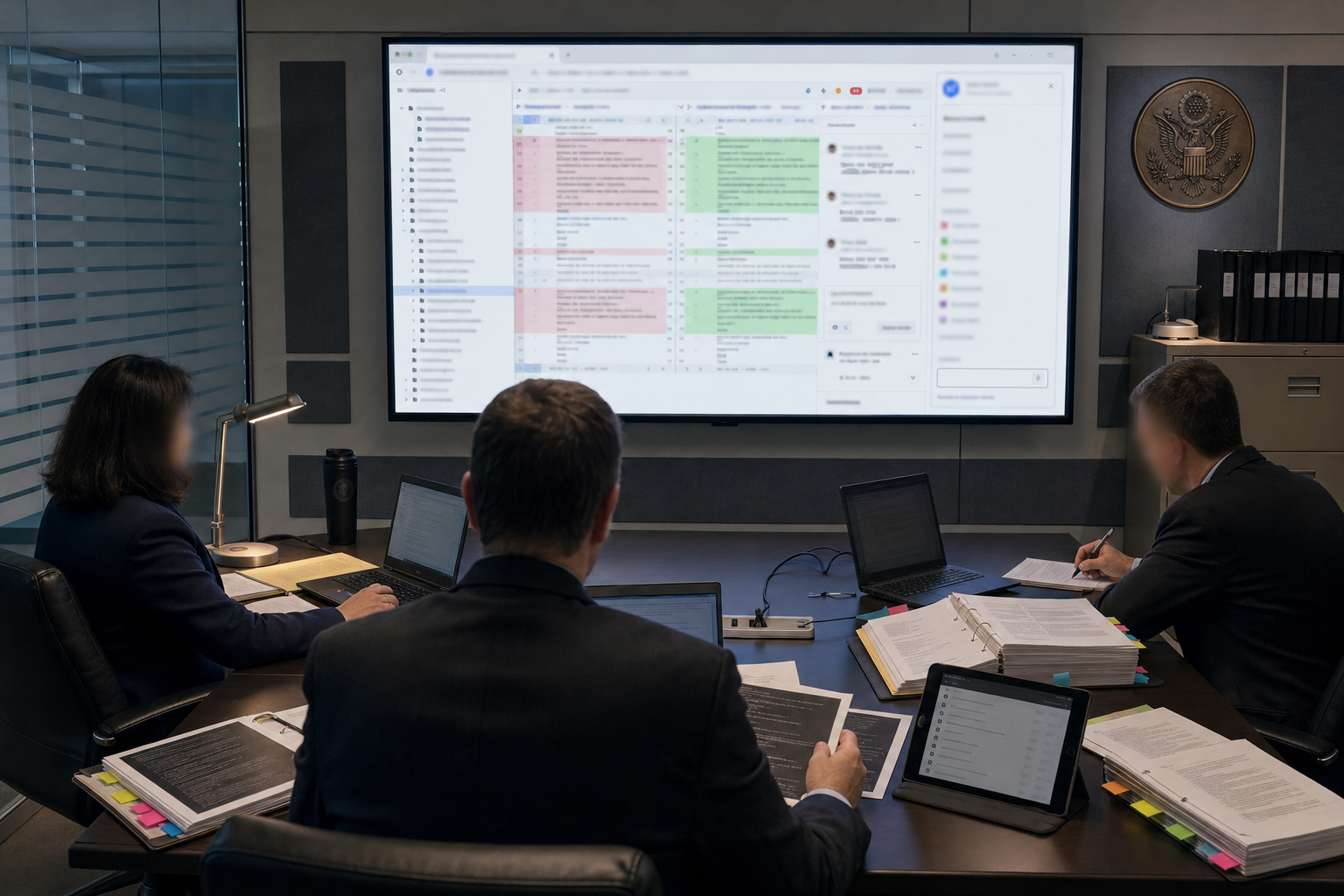
A debate that began in developer circles is starting to matter far beyond them: if AI tools help write software, should that code be open source, meaning available for others to inspect, use, and sometimes modify? The immediate spark is a growing online argument that all AI-generated code should be public. That is a claim, not a rule. But it reflects a real change. AI coding tools are now used across startups, large companies, and public agencies to draft functions, fix bugs, write tests, and speed up releases.
This matters because software increasingly affects people who never see it. It can help decide who gets a public benefit, how prices change, which job applicants are ranked higher, or how a hospital system routes work. The tension is straightforward. Transparency can improve trust, safety, and accountability. Full disclosure can also expose security weaknesses and business-sensitive information. What used to sound like a niche licensing argument is now a public-interest question.
The right answer is not that every line touched by AI must be public. That rule would be too broad and, in some cases, unsafe. But the opposite view is also too easy. When software has real power over people, the public should have a meaningful way to inspect and challenge it. In many cases, that should mean publishing the code. Where full publication would create serious risks, it should at least mean independent audit access, clear documentation, and strong oversight.
The real issue is not who wrote the code
It is easy to get stuck on the phrase AI-generated code. It sounds like a new category that needs a new moral rule. But the deeper issue is older. Important software has always raised questions about secrecy, accountability, and public trust. AI changes the speed and scale of software production. It does not change the basic principle.
Code written with AI assistance is not automatically better or worse than code written entirely by humans. It can save time. It can also reproduce insecure patterns, weak logic, or subtle errors very quickly. If one developer can now produce in a day what used to take a week, mistakes can spread faster too. That makes review more important, not less.
So the public should not focus only on authorship. The better question is simpler: what does this software do to people, and who gets to check it?
Why visibility matters in ordinary life
For non-technical readers, this can sound abstract until the examples become concrete.
- Public services: If a government system helps flag tax returns, assess welfare eligibility, or manage immigration cases, people should be able to understand the rules behind those outcomes.
- Work and pay: If software ranks job applicants, schedules workers, or changes prices, it can shape income and opportunity.
- Health and safety: If software helps route emergency calls, process medical records, or control connected devices, hidden flaws can have serious consequences.
- Education and housing: If systems help assign school places, screen tenants, or score applications, they can affect access to basic life chances.
In cases like these, transparency is not a cultural preference from the tech world. It is a practical condition for accountability. If the code is hidden, outside experts cannot test the claims made about it. Affected people cannot challenge mistakes in a meaningful way. Regulators may end up relying on the builder’s own assurances.
That problem becomes sharper when AI tools are involved, because rapid development can create false confidence. A system may look polished, pass internal tests, and still fail in the real world. Outside scrutiny is not perfect, but it is one of the few checks that does not depend on the developer grading its own work.
Open source helps, but it does not solve everything
Supporters of full openness make an important point. Public code can be inspected by more people, and outsiders often spot problems that internal teams miss. Open-source software has supported major parts of the internet for years. Public review can improve security, reliability, and trust.
But there is also a weaker version of the argument that should be resisted: if the code is published, accountability is solved. It is not. Most people cannot read source code. Even experts need context, documentation, test results, and information about how the system is actually used. A messy repository with no explanation can create the appearance of transparency without much real understanding.
There are also genuine cases where full publication is not wise. Code tied to critical infrastructure, anti-fraud systems, or certain security tools can become easier to attack if every detail is exposed at the wrong time or in the wrong way. Trade secrets are not a trivial issue either. If every internal business tool had to be public simply because an AI assistant suggested part of it, the rule would be far too blunt.
That is why the best standard is not all AI-written code should be open source. The better standard is software with public impact should be publicly accountable.
What accountability should look like
Public accountability does not have to mean the exact same level of openness in every case. The form should match the risk.
- Full publication: This should be the default for government systems and public-sector tools that directly affect rights, entitlements, or access to services.
- Independent audit access: Where publishing all details would create security risks, qualified outside auditors should still be able to inspect the code and report findings.
- Clear documentation: The public should know what the software does, what data it uses, what its limits are, and who is responsible for errors.
- Version history and incident records: Fast-moving code needs clear logs, change records, and a transparent process for reporting failures or unexpected behavior.
- Appeal and redress: If software contributes to a decision about a person, there should be a human process to question it and correct it.
This approach is less dramatic than demanding that every repository in the world be public. It is also more serious. It targets the places where hidden code can do the most damage.
The counterargument is reasonable
There is a fair objection here. Some developers argue that it should not matter whether software was written by a person or drafted with AI help. In one important sense, they are right. A dangerous opaque system is dangerous whether it was written from scratch by a human or assembled with an AI coding assistant. Harm depends on use and impact, not on authorship alone.
There is also a practical concern. Mandatory openness can create real costs. It can slow releases, add legal work, and make life harder for smaller teams that cannot maintain public repositories or handle constant outside scrutiny. A poorly designed rule could end up helping only large firms with strong compliance departments.
These are not excuses to avoid transparency. They are reasons to design it carefully. A harmless internal script that organizes office files does not need public review. A system that helps decide benefits, employment, pricing, or access to services is another matter.
Where the line should be drawn
If software can significantly affect a person’s rights, access to services, pay, safety, or legal position, secrecy should be the exception, not the default.
That principle would not force every company to reveal every product feature. It would, however, put proper pressure on governments, contractors, insurers, platforms, and large employers when they use software in ways that materially shape people’s lives.
It would also move the debate to the right place. The public does not deserve oversight because a machine helped write the code. The public deserves oversight because software now exercises real power, often quietly, and often at scale.
A better question for the AI era
AI-assisted programming brings real promise. It can lower costs, speed up useful services, help smaller teams build better tools, and reduce repetitive work. Those gains should not be dismissed. But speed without visibility has a price. It can spread bugs, weak security, and unfair systems faster than before.
The public does not need access to every internal tool. It does need stronger rights to inspect the systems that affect public life. In the years ahead, that should become a normal expectation, not a radical demand.
The most useful test is also the simplest: do not ask first who wrote the code. Ask what the code is allowed to do to people, and who is allowed to check it.